
During plumbing rough-in projects in Citrus County, avoid common mistakes like failing to plan your layout properly and ignoring local building codes. Choosing incorrect pipe sizes can disrupt water flow, whereas neglecting ventilation leads to drainage issues. Don’t overlook drainage slope, and always conduct pressure tests to catch leaks early. Underestimating time and labor needs can cause delays, so plan for future accessibility and document your work for easier maintenance later. Discover more vital tips to guarantee your project’s success.
Key Takeaways
- Failing to create a detailed layout plan can lead to improper fitting of pipes and fixtures, causing complications during installation.
- Ignoring local building codes can result in fines and safety hazards, complicating the permit process and future renovations.
- Selecting incorrect pipe sizes can restrict water flow and create drainage issues; ensure proper sizing for optimal plumbing performance.
- Neglecting proper ventilation can lead to slow drainage and unpleasant odors; ensure adequate venting to maintain system efficiency and safety.
- Underestimating time and labor needs can cause project delays; accurately assess requirements and consider professional help for complex tasks.
Failing to Plan Your Layout Properly
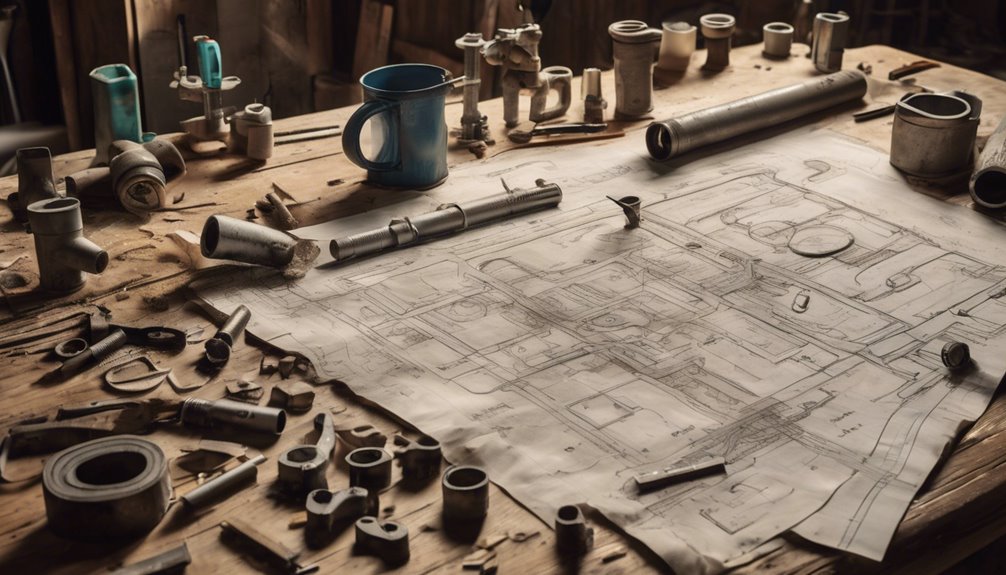
When you jump into a plumbing project without a solid layout plan, you risk facing a multitude of complications down the road. Proper layout visualization is vital for ensuring all pipes and fixtures fit seamlessly within your space. By mapping out your plumbing design, you can identify potential issues early, prevent costly mistakes, and maximize your efficient space. Think about how water will flow, where appliances will go, and how everything connects. A well-thought-out plan not merely saves you time and money but additionally creates a sense of belonging to a project that feels organized and purposeful. So take the time to sketch out your layout before exploring; it’s an investment in your plumbing project’s success. Additionally, understanding local building codes is crucial to ensure compliance and avoid rework later on.
Ignoring Local Building Codes
Neglecting local building codes can lead to significant setbacks in your plumbing project, since these regulations are designed to guarantee safety, functionality, and compliance. Ignoring them not solely jeopardizes your project but can likewise result in costly fines and delays.
Here are a few reasons to stay informed about local regulations:
- Safety Assurance: Building codes ascertain your plumbing system won’t pose risks to you or others.
- Smooth Permitting Process: Adhering to codes simplifies obtaining necessary permits, allowing you to start work without hassle.
- Future-Proofing: Compliance makes any future renovations easier, since the groundwork is already laid.
Choosing Incorrect Pipe Sizes
Selecting the appropriate pipe size is essential to the success of your plumbing project. Incorrect pipe diameter selection can lead to serious issues like reduced water flow or even pipe bursts. When deciding on pipe sizes, consider water flow requirements; small pipes can restrict flow, causing pressure drops and inefficiencies, whereas oversized pipes may result in stagnant water and increased costs. It’s important to account for the specific needs of your system, including fixtures and expected usage. Remember, proper sizing guarantees that your plumbing operates smoothly and efficiently, enhancing your home’s comfort and functionality. By prioritizing correct pipe sizes, you’ll avoid costly mistakes and contribute to a well-functioning plumbing infrastructure that benefits everyone in your household.
Neglecting Ventilation Requirements
When you’re planning a plumbing project, proper venting shouldn’t be overlooked. Inadequate ventilation can lead to pressure imbalances, resulting in slow drainage and unpleasant odors. Comprehending common miscalculations in venting is crucial for ensuring your system functions efficiently and safely.
Importance of Proper Venting
Proper venting is fundamental in plumbing projects, since it guarantees that wastewater flows efficiently and prevents harmful gases from accumulating. Without proper venting, you risk serious complications that could disrupt your entire project. Comprehending the right venting techniques and selecting appropriate venting materials is critical for success.
- Guarantees effective drainage and minimizes clogs
- Prevents sewer gas from entering your home
- Complies with building codes and regulations
Investing time in proper venting can save you future headaches and costly repairs. By familiarizing yourself with best practices, you not only improve the safety of your plumbing system but also create a comfortable living environment for you and your family. Don’t overlook this significant step in your plumbing rough-in projects!
Common Venting Miscalculations
Neglecting ventilation requirements can lead to significant issues in your plumbing project, particularly when it comes to ensuring efficient wastewater flow. One of the most common errors is failing to implement effective venting strategies. Without proper ventilation, you’ll likely encounter drainage problems, which can result in unpleasant odors and slow drainage. It’s essential to calculate the correct size and placement of vents to maintain airflow and prevent siphoning. Moreover, overlooking local codes can lead to costly rework. To avoid these pitfalls, familiarize yourself with the basics of venting and consult with skilled experts. By prioritizing proper ventilation during your rough-in, you’ll create a reliable plumbing system that serves your home well for years to come.
Overlooking Drainage Slope

Though it might seem trivial, overlooking drainage slope can lead to significant issues in plumbing projects. Proper drainage installation is essential for guaranteeing wastewater flows efficiently, preventing clogs and backups. If you don’t pay attention to slope calculations, you might face costly repairs down the line.
- Inefficient drainage can cause stagnant water.
- Incorrect slope leads to increased wear on pipes.
- Poor drainage may result in mold and structural damage.
To avoid these problems, always double-check your slope calculations during the rough-in phase. Aim for a slope of at least 1/4 inch per foot for peak performance. By prioritizing drainage slope, you’ll guarantee the longevity and functionality of your plumbing system, eventually creating a more comfortable living environment.
Using Incompatible Materials
When you choose to use incompatible materials in plumbing projects, you risk not just the integrity of the system but likewise your investment in time and resources. Confirming material compatibility is vital; using materials that don’t work well together can lead to leaks, corrosion, and eventually system failure. Familiarize yourself with plumbing standards that dictate which materials are suitable for specific applications. For instance, coupling PVC with metal pipes without proper fittings can cause major issues. It’s important to consult with experts or refer to reliable guides to verify you’re using compatible materials throughout your project. By prioritizing material compatibility, you’ll improve the durability and reliability of your plumbing system, nurturing a sense of pride in your work and investment.
Skipping Pressure Tests
When you’re working on plumbing projects, skipping pressure tests can lead to significant issues down the line. These tests are essential for identifying leaks and ensuring system integrity, but many overlook them or make common errors during the process. Ignoring this step can result in costly repairs and project delays that could have easily been avoided.
Importance of Pressure Testing
Pressure testing is a critical step in any plumbing project that you shouldn’t overlook, since it helps identify leaks and weaknesses in the system before they become costly issues. Ignoring pressure test procedures can lead to significant problems down the line. Here are some pressure test benefits to take into account:
- Leak Detection: Catch leaks early, preventing water damage and costly repairs.
- System Integrity: Verify your plumbing system is built to withstand pressure, enhancing its longevity.
- Compliance: Meet local building codes and regulations, avoiding fines and project delays.
Common Pressure Test Errors
Skipping pressure tests can lead to costly mistakes that may not become apparent until it’s too late. Using proper pressure test techniques is fundamental for ensuring the integrity of your plumbing system. Without testing, you risk overlooking leaks or weak joints that could cause significant damage down the line. It’s imperative to utilize the right testing equipment, such as pressure gauges and test plugs, to accurately assess the system’s performance. Make sure you follow manufacturer guidelines and industry standards when conducting these tests. By prioritizing pressure testing, you not merely safeguard your investment but also cultivate a sense of trust within your team and clients, creating a community committed to excellence in plumbing projects. Don’t skip this crucial step.
Consequences of Skipping Tests
Neglecting to perform crucial tests can lead to a cascade of complications that are often difficult and costly to rectify. The consequences of skipping tests, especially pressure tests, can jeopardize your plumbing system’s integrity and functionality.
- Undetected leaks can cause extensive water damage.
- Plumbing system failures can result in costly repairs and replacements.
- You may face code violations, leading to fines and delays.
Underestimating Time and Labor Needs
How often do DIY enthusiasts underestimate the time and labor required for plumbing projects? It’s a common pitfall that can lead to frustration and project delays. Accurate time estimation is vital; without it, you might not just miss deadlines but likewise compromise the quality of your work. Take the time to outline each step and allocate labor effectively. Consider how many hands you’ll need for specific tasks and whether you’ll require expert help for complex issues. By properly evaluating your time and labor needs, you can create a more manageable schedule and guarantee the project progresses smoothly. Remember, a thorough plan can save you from unnecessary stress and costly setbacks in the long run.
Not Considering Future Accessibility
Once you’ve tackled the time and labor aspects regarding your plumbing project, it’s easy to overlook future accessibility needs. Nevertheless, proper future planning is essential to guarantee your plumbing system remains functional and user-friendly for everyone. Consider integrating accessibility features now to avoid costly modifications later.
- Design with wider doorways and hallways for easy access.
- Choose fixtures that are adaptable for individuals with mobility challenges.
- Plan for potential future renovations that may require additional plumbing.
Forgetting to Document Your Work
Even though it’s easy to get caught up in the excitement of completing your plumbing project, forgetting to document your work can lead to significant complications down the line. Without proper documentation techniques, you may struggle to remember essential details, such as pipe sizes, layouts, and connections, which are critical for future repairs or inspections. Effective project tracking not merely helps you stay organized but also provides a clear reference for any subcontractors or inspectors involved later. Make it a habit to take notes, photographs, and sketches throughout the process. This practice guarantees everyone is on the same page and can prevent costly mistakes. Remember, thorough documentation today can save you time and frustration tomorrow, nurturing a sense of belonging in your community of skilled tradespeople.
Frequently Asked Questions
What Tools Are Essential for Plumbing Rough-In Projects?
For plumbing rough-in projects, you’ll need crucial tools like pipe wrenches for tightening fittings and a measuring tape to guarantee accurate placements. Having the right tools makes your work easier and improves your project’s success.
How Can I Ensure My Plumbing Is Energy Efficient?
To guarantee your plumbing’s energy efficient, install energy saving fixtures and water efficient appliances. These upgrades reduce water waste and lower utility bills, creating a more sustainable home as well as enhancing your comfort and lifestyle.
What Common Plumbing Myths Should I Be Aware Of?
You should be aware that many plumbing misconceptions, like believing all pipes are the same or that DIY installations save money, can lead to costly mistakes. Don’t let installation myths hinder your project’s success—know the facts!
Are There Specific Materials Recommended for Citrus County’s Climate?
When considering materials for Citrus County’s climate, prioritize durability. Choose PVC for drainage and CPVC for hot water. These options withstand humidity and temperature fluctuations, ensuring your plumbing system remains reliable and long-lasting in local conditions.
How Do I Find a Reliable Plumber for My Project?
Finding a reliable plumber’s like choosing the right teammate. Check plumber reviews online and ask for local recommendations from friends. Trustworthy advice can lead you to skilled experts who understand your needs and expectations.
0 Comments