
When comparing residential and commercial plumbing rough-in in Citrus County, you need to take into account key differences in complexity, regulations, and materials. Residential systems typically use simpler materials like PVC and PEX, whereas commercial setups require durable options such as copper and cast iron to manage higher water demands. Compliance with local plumbing codes is crucial for both types, ensuring safety and functionality. Grasping these distinctions can help you make informed decisions as you evaluate your plumbing needs.
Key Takeaways
- Residential plumbing rough-in typically utilizes simpler materials like PVC and PEX, while commercial systems require more durable materials like cast iron and copper.
- Accurate measurement and positioning of pipes in both residential and commercial plumbing are essential for compliance with local building codes in Citrus County.
- Commercial plumbing systems involve greater complexity, requiring tailored solutions due to multiple fixtures and higher water demand compared to residential setups.
- Regulatory permits and post-installation inspections are crucial for ensuring compliance with Citrus County plumbing codes, especially for commercial projects.
- Future expansion planning is vital in commercial plumbing to accommodate increased water demand, while residential systems may require simpler adjustments.
Understanding Rough-In Plumbing Basics
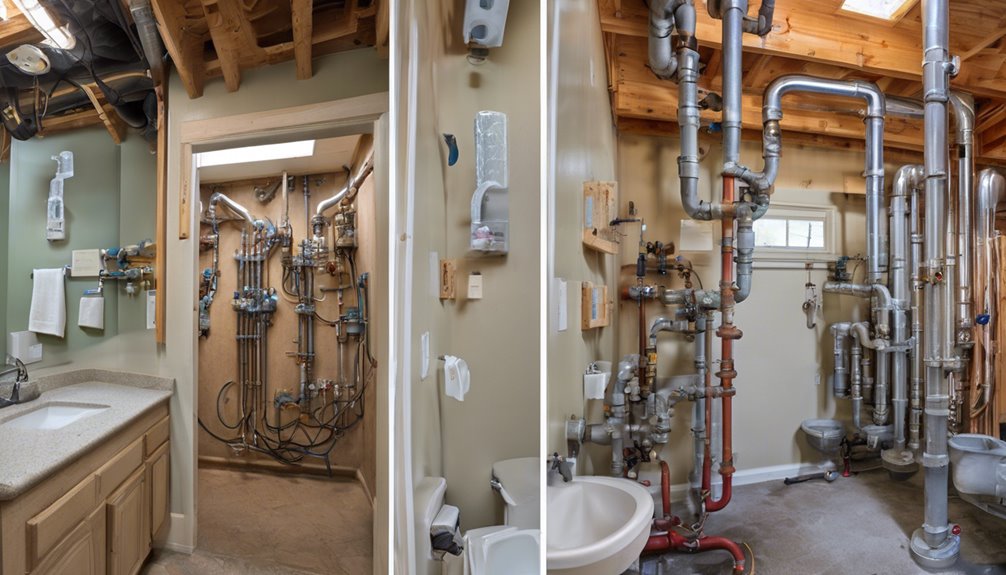
When you begin a plumbing project, comprehending rough-in plumbing basics is fundamental, since it sets the foundation for your entire system. Rough-in techniques involve laying out the framework for water supply and drainage lines, ensuring everything functions effectively. You’ll need to select appropriate plumbing materials, such as PVC for drainage or PEX for water supply, to match your project’s requirements. It’s imperative to accurately measure and position pipes, taking local building codes into account to prevent costly mistakes. Grasping the proper spacing between fixtures is equally important for peak performance. By mastering these fundamentals, you’ll not merely improve your plumbing skills but also cultivate a sense of community among fellow DIY enthusiasts, all aspiring for excellence in their projects. Additionally, understanding the importance of adhering to local building codes ensures that your plumbing system is safe and compliant, ultimately saving you from future headaches.
Key Differences Between Residential and Commercial Plumbing
Although both residential and commercial plumbing systems aim to provide reliable water supply and drainage, they differ greatly in scale, complexity, and regulatory requirements. Residential plumbing typically uses simpler plumbing materials, such as PVC and PEX, to accommodate lower water flow and usage. Conversely, commercial plumbing requires more durable materials like cast iron or copper, designed for higher demand and system efficiency. Furthermore, commercial systems often involve complex layouts with multiple fixtures and a greater number of service points, necessitating a more detailed design and installation process. Regulatory standards are likewise stricter for commercial projects, ensuring that they meet health and safety regulations. Comprehending these key differences can help you better navigate your plumbing needs, whether residential or commercial.
Complexity of Residential Plumbing Systems
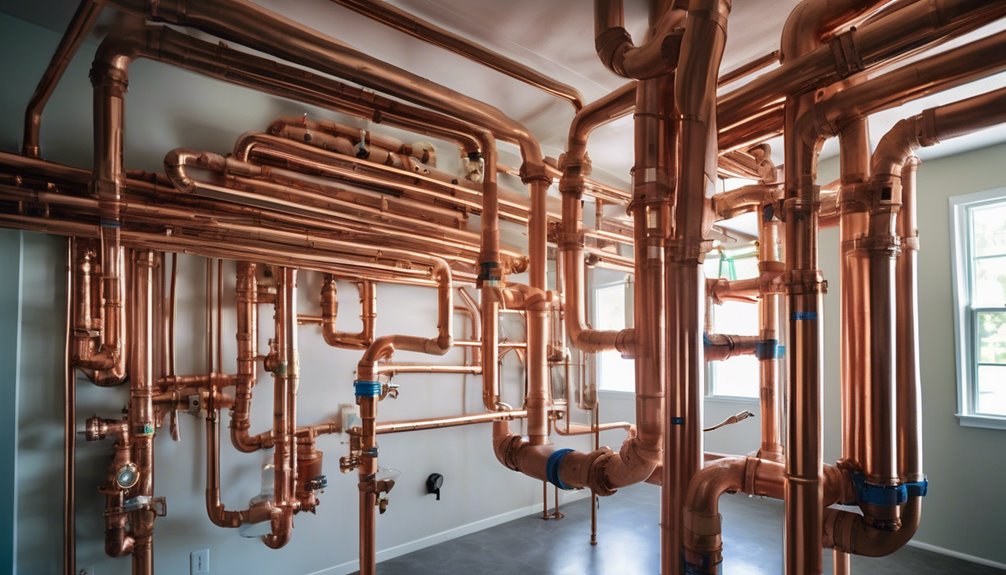
When planning your residential plumbing system, comprehending pipe layout design and fixture placement considerations is essential. Each component affects water flow, drainage efficiency, and overall functionality. You’ll need to balance these elements to guarantee compliance with local codes and maximize system performance.
Pipe Layout Design
Designing a plumbing pipe layout is crucial for guaranteeing the efficiency and functionality of residential systems. A well-thought-out design minimizes waste and maximizes performance. Below are three key considerations for your layout:
- Pipe Materials: Choose durable materials like PVC, PEX, or copper to promote longevity and reliability.
- Layout Efficiency: Optimize the layout to reduce bends and turns, which can impede water flow and increase pressure loss.
- Future Needs: Consider potential additions or changes to your home that may require adjustments to the plumbing system.
Fixture Placement Considerations
Achieving an effective plumbing layout isn’t merely about pipe configuration; fixture placement plays a significant role in the overall efficiency of residential plumbing systems. When determining where to position fixtures, you must consider their dimensions, ensuring they fit comfortably within allocated spaces. Accessibility requirements are essential, as local codes often mandate that fixtures are approachable for all users, including those with mobility challenges. Think about how each fixture interacts with others; for instance, placing sinks near dishwashers streamlines plumbing and improves user convenience. Adequate space around fixtures not just facilitates maintenance but also promotes a seamless flow within the home. Prioritizing these aspects will help you create a functional and inviting environment that meets both aesthetic and practical needs.
Complexity of Commercial Plumbing Systems
Although commercial plumbing systems are critical for the seamless operation of businesses, their complexity often poses significant challenges during installation and maintenance. You’ll find that these systems require careful planning and execution, primarily because:
- Pressure Systems: Managing water pressure demands precision to guarantee efficient flow throughout the building.
- Drainage Design: A well-designed drainage system is fundamental to prevent clogs and backups, necessitating complex layout considerations.
- Diverse Fixtures: Commercial spaces often incorporate various fixtures that require customized solutions, complicating the plumbing network.
Navigating these factors is important for guaranteeing reliability and compliance with industry standards. By comprehending the intricacies of commercial plumbing, you can better appreciate the expertise needed to maintain these indispensable systems.
Regulatory Considerations in Citrus County

When planning plumbing rough-ins in Citrus County, it’s vital to navigate the myriad of regulatory considerations that govern installation practices. Comprehending local plumbing codes and acquiring necessary regulatory permits is critical to guarantee compliance and avoid costly penalties.
Here’s a quick overview of key regulatory aspects:
| Regulatory Aspect | Details | Importance |
|---|---|---|
| Local Plumbing Codes | Standards set by Citrus County | Guarantees safety and functionality |
| Regulatory Permits | Required for installations | Legally protects you and your work |
| Inspection Requirements | Post-installation checks | Assures adherence to codes |
Common Installation Techniques for Residential Projects
Maneuvering the regulatory terrain in Citrus County is just the beginning; comprehending common installation techniques for residential plumbing projects is equally important for guaranteeing efficient and compliant systems. Effective methods will streamline your work and improve system reliability. Below are three key techniques to contemplate:
- Faucet Installation: Always start with proper measurements and secure connections to prevent leaks.
- Drainage Systems: Confirm adequate slope and venting to facilitate smooth water flow and minimize clogs.
- Piping Layout: Use a logical layout that minimizes bends and turns, promoting ideal pressure and ease of access for future maintenance.
Common Installation Techniques for Commercial Projects
Although the principles of plumbing installation may seem consistent across residential and commercial projects, the latter demands a more complex approach due to higher usage demands and regulatory considerations. In commercial settings, adherence to strict installation standards is vital. You’ll often utilize durable plumbing materials like PVC, copper, or PEX, chosen for their longevity and performance under high stress. Techniques such as installing larger diameter pipes and implementing backflow preventers are common to accommodate the increased water flow and pressure. Furthermore, the placement of fixtures must comply with local codes, ensuring accessibility and efficiency. By acquiring these techniques, you’ll not just meet regulatory requirements but also improve the overall functionality and reliability of commercial plumbing systems.
Choosing the Right Plumbing Approach for Your Needs
How can you determine the most suitable plumbing approach for your specific requirements? Comprehending the distinction between residential needs and commercial requirements is essential. Here’s how to make the right choice:
- Assess Usage: Evaluate the frequency and volume of water usage. Residential plumbing typically handles lower volumes compared to commercial setups, which demand more substantial systems.
- Consider Regulations: Research local building codes and regulations, since commercial projects often have stricter guidelines that must be adhered to.
- Future Expansion: Think about potential growth. If you plan to expand in the future, opting for commercial plumbing may save you time and money down the line.
Frequently Asked Questions
What Tools Are Essential for Plumbing Rough-In Projects?
For plumbing rough-in projects, you’ll need crucial plumbing tools like pipe cutters, wrenches, and levels. Acquiring rough-in techniques guarantees precision, enabling you to create a solid foundation for any plumbing system.
How Long Does a Typical Rough-In Installation Take?
Think of rough-in installation like laying the foundation for a house; the installation timeline varies based on project difficulty. Typically, it takes a few days, but more complex systems can extend that timeframe considerably.
Can I Do Rough-In Plumbing Myself?
You can attempt DIY plumbing for rough-in, but make certain you’re aware of local codes and safety precautions. It’s vital to understand the intricacies involved to avoid costly mistakes and make certain a safe installation.
What Permits Are Required for Plumbing Rough-In in Citrus County?
When you’re in the thick of it, you’ll need to check local plumbing regulations. A permit application is crucial for rough-in plumbing, ensuring your project meets safety standards and legal requirements in Citrus County.
How Do I Locate Existing Plumbing Before Rough-In?
To locate existing plumbing before rough-in, review the plumbing layout and use pipe identification tools. Check for visible access points, consult building plans, and consider using a plumbing diagram to guarantee accurate placement and avoid issues.

0 Comments