
If you’re planning plumbing rough-in services in Citrus County, it’s essential to grasp the basics. Proper rough-in guarantees efficient water flow and drainage, preventing costly future repairs. Key components include identifying fixture locations, following local plumbing codes, and guaranteeing proper pipe sizing. Avoid common mistakes like inaccurate measurements and neglecting permits. Consider hiring specialists for reliability. Comprehending these elements lays a solid groundwork for your plumbing project. There’s more to learn to guarantee a smooth process.
Key Takeaways
- Plumbing rough-in services in Citrus County ensure compliance with local codes, safeguarding safety and efficiency in your plumbing system.
- Hiring professional plumbers mitigates risks associated with DIY installations, providing expertise for accurate measurements and proper material selection.
- Securing necessary permits before starting plumbing rough-in work is essential to avoid fines and ensure adherence to community regulations.
- Proper planning involves identifying fixture locations and drainage systems, enabling effective water flow and waste management in your home.
- Final inspections by experts verify system functionality, ensuring secure connections and testing water pressure to prevent future plumbing issues.
Understanding Plumbing Rough-In: The Basics
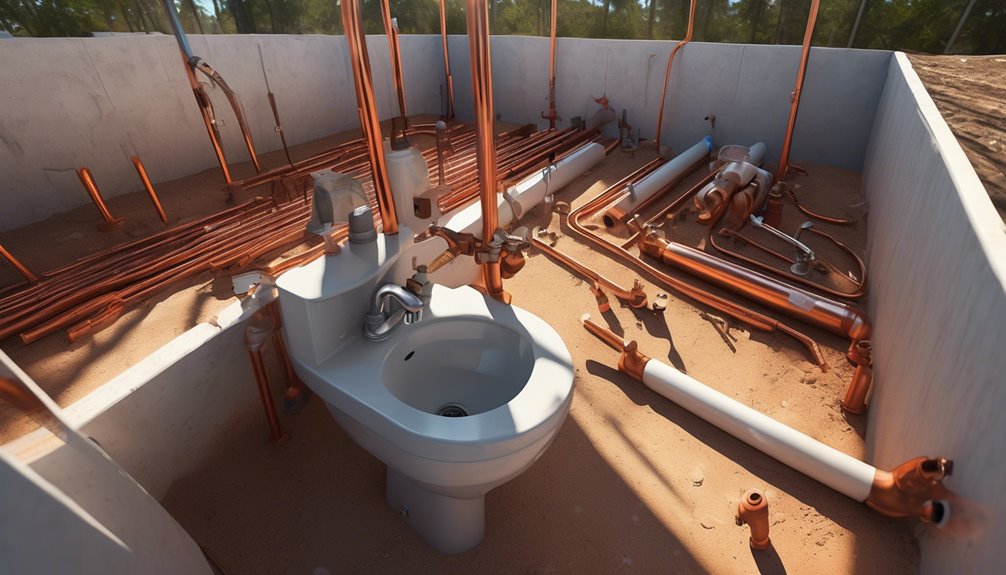
Plumbing rough-in is a significant phase in any construction or renovation project, laying the groundwork for your home’s plumbing system. This stage involves installing pipes, drains, and water supply lines before the walls and floors are finished. Comprehending plumbing terminology is fundamental here; terms like “stub-outs” and “drainage slopes” are imperative for effective communication. Rough-in techniques vary, but common methods include using PVC or copper piping, ensuring proper connections, and adhering to local codes. By mastering these basics, you’ll be better equipped to oversee the installation process, ensuring everything operates smoothly later on. This knowledge promotes a sense of belonging within the construction community, enabling you to collaborate effectively with specialists. Additionally, understanding the importance of meeting building codes is crucial for successful plumbing rough-ins, as it ensures compliance and safety in your plumbing system.
The Importance of Proper Plumbing Rough-In
Though you might think of plumbing rough-in as just another step in the construction process, its importance cannot be overstated. Proper plumbing rough-in lays the groundwork for effective plumbing design, ensuring your system operates efficiently and reliably. It defines the role of plumbing in your home, impacting everything from water flow to drainage. If this step is neglected or improperly executed, you may face significant issues down the line, such as leaks, clogs, or even structural damage. Additionally, a well-planned rough-in can save you money on repairs and renovations in the future. By prioritizing proper plumbing rough-in, you’re not just following a procedure; you’re investing in the long-term integrity of your home’s plumbing system.
Key Components of a Plumbing Rough-In
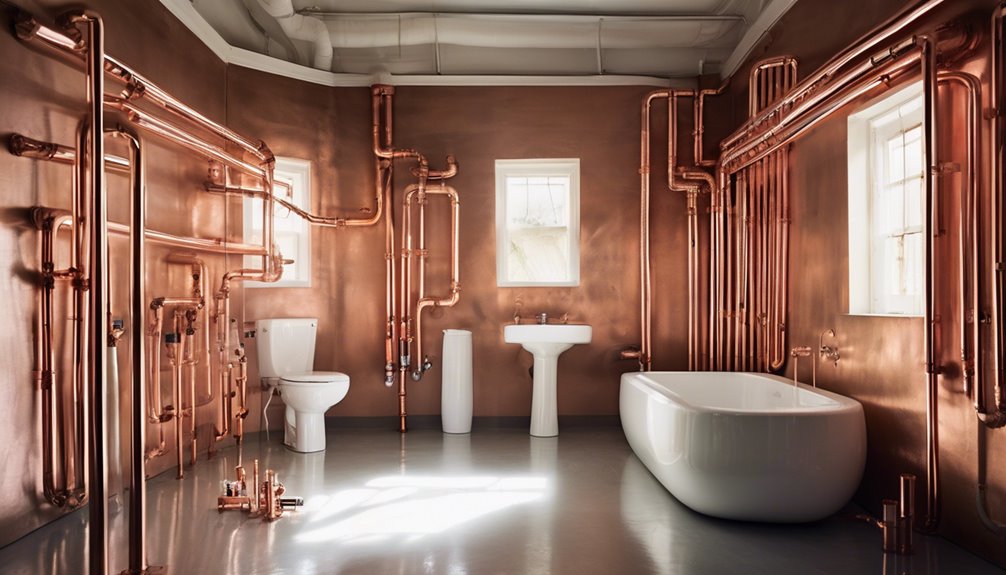
When you’re planning a plumbing rough-in, grasping the key components involved is crucial for guaranteeing a successful installation. First, you’ll need to identify the locations for your plumbing fixtures, such as sinks, toilets, and showers. Accurate positioning guarantees proper water flow and accessibility. Next, focus on the drainage systems, which are vital for directing wastewater away from your fixtures. Properly sized pipes and adequate slope are required for effective drainage. Moreover, you should incorporate venting to prevent sewer gases from entering your home. Finally, don’t forget to contemplate water supply lines, which provide the required pressure to your fixtures. By grasping these components, you’ll set a solid foundation for a reliable plumbing system.
Common Mistakes to Avoid During Rough-In
During plumbing rough-in, you must be cautious about common pitfalls like inaccurate measurements and layouts. These errors can lead to costly adjustments later on. Furthermore, neglecting local codes can result in compliance issues and potential fines, so always check regulations before you start.
Inaccurate Measurements and Layouts
Inaccurate measurements and layouts can lead to significant complications in plumbing rough-in, so it’s vital to get them right from the start. Using proper measurement techniques is fundamental; double-check your distances and angles to confirm everything aligns perfectly. Even small errors can snowball into major issues later on, affecting both functionality and aesthetics. During layout planning, visualize the plumbing system’s flow and accessibility. Consider how fixtures will interact with each other, along with the space available for pipes and connections. Take the time to create detailed, scaled drawings that accurately reflect your intended design. By prioritizing accuracy in measurements and layouts, you’ll cultivate a smoother installation process and avoid costly revisions down the line.
Neglecting Local Codes
Neglecting local codes can lead to severe repercussions in plumbing rough-in, making it just as critical as guaranteeing accurate measurements and layouts. Code compliance isn’t just a suggestion; it’s a necessity to maintain safety and functionality. To avoid common mistakes, keep these points in mind:
- Understand Local Regulations: Familiarize yourself with the specific codes in your area, as they can vary considerably.
- Obtain Necessary Permits: Always secure the required permits before starting any work; this protects you from legal issues later.
- Consult Experts: When in doubt, hire a licensed plumber to verify your work meets all local regulations.
How to Plan Your Plumbing Rough-In
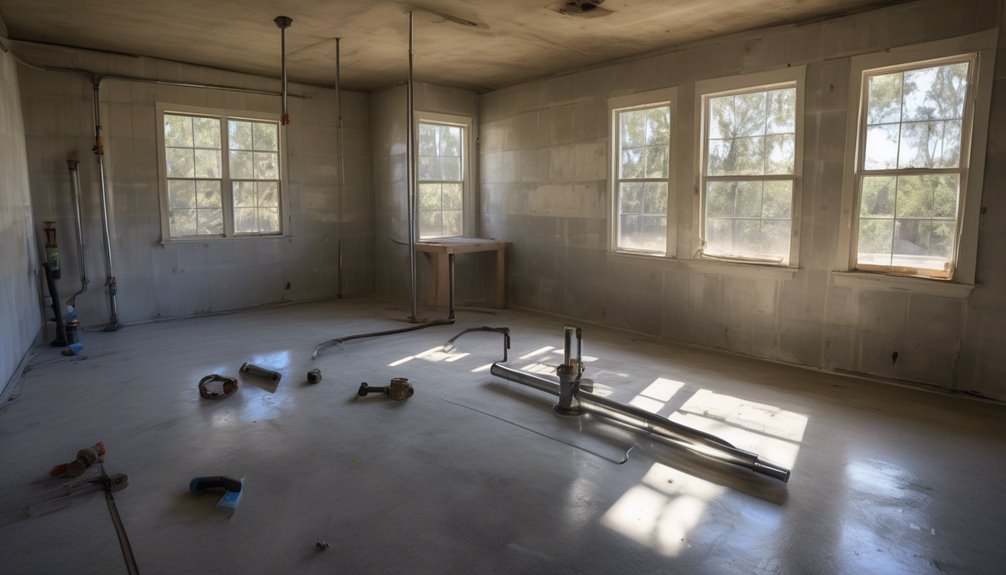
When planning your plumbing rough-in, start by evaluating your space needs to secure efficient layout and function. It’s essential to understand local codes to comply with regulations and avoid future issues. Finally, hiring skilled experts will assure that the job is done correctly and safely.
Assess Your Space Needs
How do you determine the plumbing requirements for your space? Comprehending your space requirements is vital for an effective plumbing layout. Here’s how you can assess your needs:
- Identify Fixtures: List all plumbing fixtures you plan to include, such as sinks, toilets, and showers. This will help you visualize the layout.
- Measure Dimensions: Accurately measure the dimensions of your space. Consider the placement of walls and existing utilities that may affect your plumbing.
- Plan Flow: Think about the flow of water and waste. Confirm that the layout allows for efficient drainage and access to water supply lines.
Understand Local Codes
Comprehending local plumbing codes is vital for guaranteeing your rough-in meets safety and regulatory standards. You’ll need to familiarize yourself with Citrus County’s specific requirements, including local zoning laws that dictate where plumbing can be installed. Each municipality has guidelines that could affect your layout, so it’s wise to research before you start. Obtaining the necessary plumbing permits is likewise a must; failing to do so can lead to costly fines and rework. Make certain your plans align with these regulations to avoid delays. By grasping these codes, you’ll not just guarantee compliance but additionally contribute to a safer living environment for you and your community. Taking these steps makes you a responsible homeowner.
Hire Qualified Professionals
After verifying your plumbing plans align with local codes, the next step is hiring qualified experts for your rough-in. Choosing the right specialists is essential for a successful project. Here’s how to find the right licensed contractors:
- Check Credentials: Verify their licenses and insurance to confirm they have the necessary plumbing expertise and comply with local regulations.
- Review Experience: Look for contractors with a proven track record in plumbing rough-ins, since experience can make a significant difference in quality.
- Get Recommendations: Consult friends, family, or online reviews to find dependable specialists who are known for their work.
Hiring a Professional vs. DIY Rough-In
When considering whether to hire an expert or tackle a plumbing rough-in yourself, it’s essential to weigh the pros and cons of each approach. Hiring a specialist can save you time and guarantee compliance with local codes, ultimately leading to a smoother project timeline. Nevertheless, it often comes with higher cost considerations. Conversely, a DIY rough-in can be cost-effective and rewarding, but it requires a solid comprehension of plumbing systems and may extend your project timeline if mistakes occur. If you’re confident in your skills and have the time, DIY might be tempting. But remember, plumbing is complex, and a specialist’s expertise can often mitigate risks and provide peace of mind for your home.
Local Plumbing Codes and Regulations in Citrus County
Comprehending local plumbing codes and regulations in Citrus County is vital for guaranteeing your rough-in project meets safety standards and legal requirements. Grasping Citrus regulations will help you avoid setbacks and guarantee compliance. Below are three key points to keep in mind:
- Plumbing Permits: You’ll need to secure the necessary plumbing permits before beginning your rough-in work. This guarantees that your project is legally recognized.
- Inspection Requirements: Familiarize yourself with the inspection process, since your work will likely need to pass various inspections to confirm compliance with local codes.
- Material Standards: Adhere to the specific material standards outlined in Citrus regulations, since using approved materials is vital for safety and durability.
Tips for a Smooth Plumbing Rough-In Process
To guarantee a smooth plumbing rough-in process, it’s essential to plan carefully and prepare for potential challenges. Start by familiarizing yourself with the most effective rough in techniques. Make a detailed layout of your plumbing system, ensuring you account for all fixtures. Gather the proper plumbing tools, including pipe cutters, wrenches, and a level, to help you work efficiently. Always double-check your measurements to avoid costly mistakes. It’s also prudent to communicate with your contractor to stay aligned on expectations and timelines. Finally, be prepared for unexpected setbacks; having a contingency plan can save you time and stress. By following these tips, you’ll create a solid foundation for your plumbing project, nurturing a sense of belonging within your community.
Final Inspections and Adjustments Post Rough-In
After completing the plumbing rough-in, conducting final inspections and making necessary adjustments is crucial to guarantee everything functions correctly. This process verifies your plumbing systems meet local codes and operate efficiently. Below are key steps to follow:
- Check all connections: Inspect joints and fittings to confirm they’re secure and leak-free.
- Test water pressure: Ascertain the system maintains adequate pressure to prevent future issues.
- Verify fixture alignment: Make certain all fixtures are properly positioned and functional.
Frequently Asked Questions
How Long Does a Plumbing Rough-In Typically Take?
A plumbing rough-in typically takes one to three days, but your rough-in timeline can vary based on project factors like the complexity of your layout and local regulations. It’s crucial to plan accordingly for efficiency.
What Tools Are Necessary for a Plumbing Rough-In?
When it comes to plumbing rough-ins, think about it being a foundation. You’ll need pipe fittings, wrenches, a level, and tools for drainage systems. Being prepared guarantees a smoother installation process and improved results.
Can I Change the Layout After Rough-In Completion?
Yes, you can make layout adjustments after rough-in completion, but it may involve additional work and costs. Maintaining plumbing flexibility is key, so consult an expert to guarantee a seamless shift without compromising system integrity.
What Is the Average Cost of Plumbing Rough-In Services?
When it comes to plumbing costs, you’re in for a ride. Estimating expenses for rough-in services typically ranges from $1,000 to $5,000, depending on your project’s complexity and local labor rates. Plan accordingly!
Do I Need a Permit for Plumbing Rough-In in Citrus County?
You’ll need a permit for plumbing rough-in in Citrus County. Familiarize yourself with the local plumbing regulations to guarantee compliance. Obtaining the necessary permits helps protect your project and assures safety and quality standards are met.
0 Comments