
To successfully complete a plumbing rough-in for new homes in Citrus County, start by comprehending local plumbing codes to guarantee compliance. Plan your layout by focusing on key areas like kitchens and baths during the consideration of pipe runs and accessibility. Select appropriate materials such as PVC or PEX, and gather the necessary tools for installation. As you install pipes and fixtures, maintain alignment and check connections. Finally, conduct pressure tests and drainage assessments. You’ll find more detailed insights in the following sections.
Key Takeaways
- Research Citrus County plumbing codes to ensure compliance with local safety and installation standards before starting the rough-in process.
- Create a detailed plumbing layout diagram, identifying key areas like kitchens and bathrooms for optimal pipe runs and accessibility.
- Choose appropriate materials such as PVC, PEX, or copper, based on the specific requirements of your plumbing system.
- Install pipes and fixtures systematically, ensuring all connections are tight and properly aligned for a leak-free system.
- Conduct thorough pressure testing and drainage efficiency checks to verify the integrity of your plumbing system before finalizing.
Understanding Local Plumbing Codes and Regulations
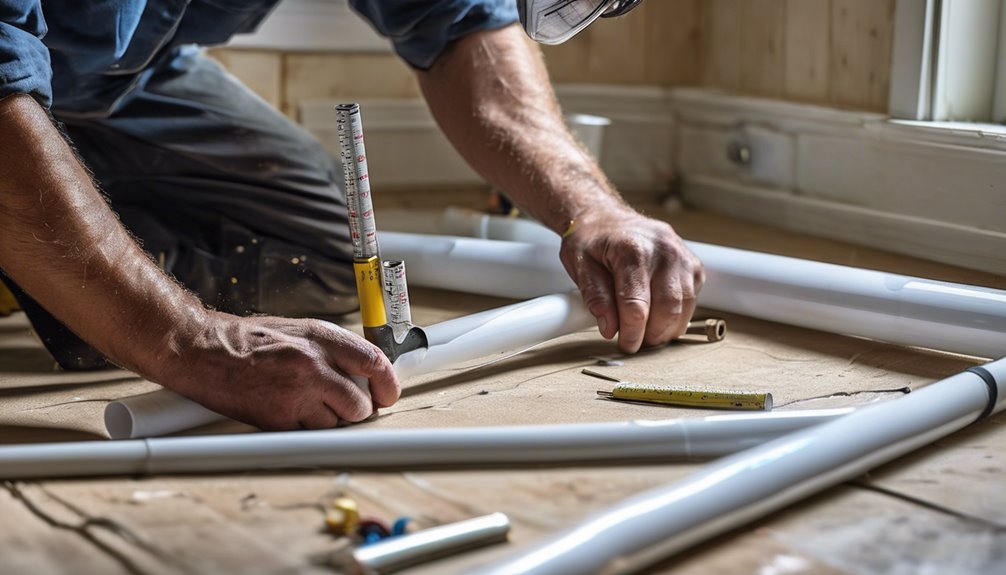
When starting a plumbing rough-in for a new home, it’s vital to understand that local plumbing codes and regulations dictate the standards you must follow to guarantee safety and compliance. Familiarizing yourself with these codes is important, as they make certain your work meets all necessary requirements. Begin by researching the specific local plumbing codes applicable to your area, since they can vary greatly. Compliance isn’t just about avoiding fines; it’s about protecting the health and safety of future occupants. Each aspect, from pipe sizing to venting systems, will have specific guidelines you need to adhere to. By prioritizing code compliance, you not just improve your credibility as a plumber but contribute to the overall integrity of the community. Additionally, consulting with experts in professional installation can provide invaluable insights to ensure adherence to these codes.
Planning Your Plumbing Layout
Before plunging into the actual installation, you need to carefully plan your plumbing layout to guarantee efficiency and functionality. Start by identifying key areas like kitchens, bathrooms, and laundry rooms, ensuring layout optimization for minimal pipe runs. Consider the proximity of fixtures to reduce water waste and improve performance. Plumbing accessibility is essential; place shut-off valves and cleanouts in easily reachable locations for future maintenance. Sketch a detailed diagram to visualize the layout, accommodating local codes and regulations. Don’t forget to account for vertical and horizontal space requirements, ensuring proper drainage and venting. By investing time in this planning phase, you’ll create a reliable plumbing system that meets your needs and those of future homeowners.
Choosing the Right Materials and Tools
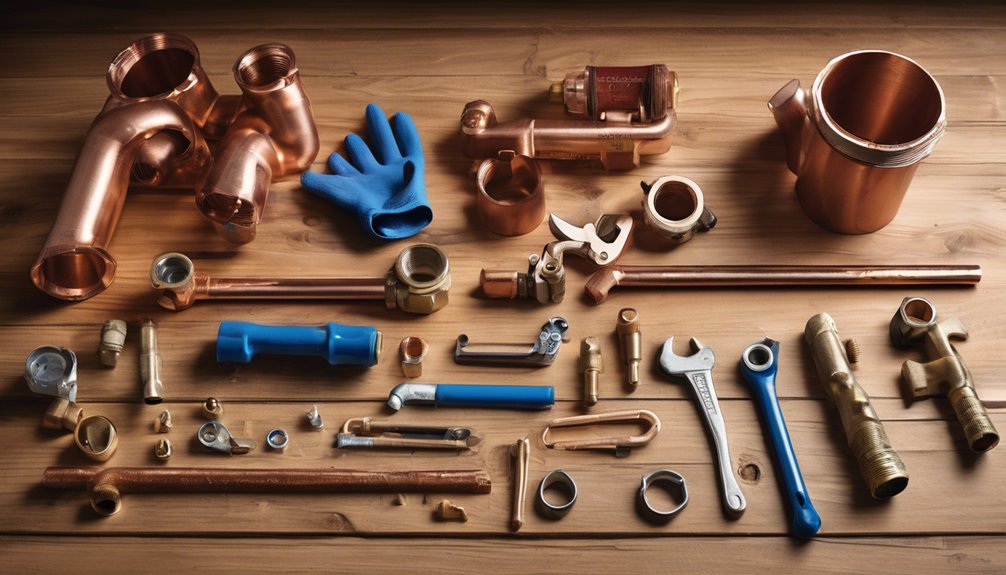
Choosing the right materials and tools is crucial for ensuring a durable and efficient plumbing system. You’ll want to evaluate various material types, such as PVC, PEX, or copper, each offering unique benefits. Tool selection is equally important; using the right tools can streamline your work and improve accuracy.
Here’s a quick reference table to guide you:
| Material Type | Common Tools |
|---|---|
| PVC | Pipe cutter, solvent |
| PEX | Crimping tool, clamps |
| Copper | Soldering kit, pipe bender |
| Cast Iron | Pipe wrench, hacksaw |
Installing Pipes and Fixtures
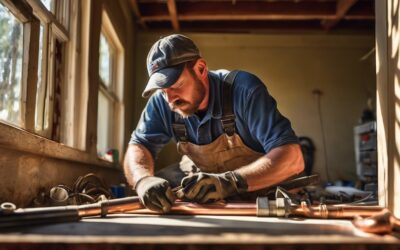
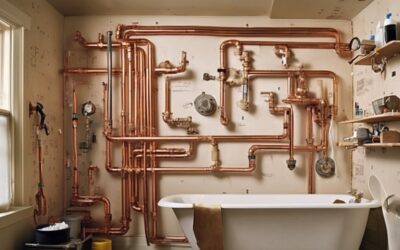
When you start installing pipes and fixtures, it’s essential to follow a systematic approach to guarantee a dependable plumbing system. Begin with pipe installation by laying out your main lines according to your plumbing plan. Use the appropriate fittings, verifying that all connections are tight and leak-free. Next, focus on fixture placement; position sinks, toilets, and showers according to the design specifications. Remember to account for venting and drainage requirements to guarantee proper flow and function. While you work, maintain a level and plumb alignment for every fixture. Double-check that all measurements are accurate before securing pipes and fixtures in place. This attention to detail will promote a strong plumbing infrastructure for the home, providing peace of mind for you and future occupants.
Testing Your Plumbing System
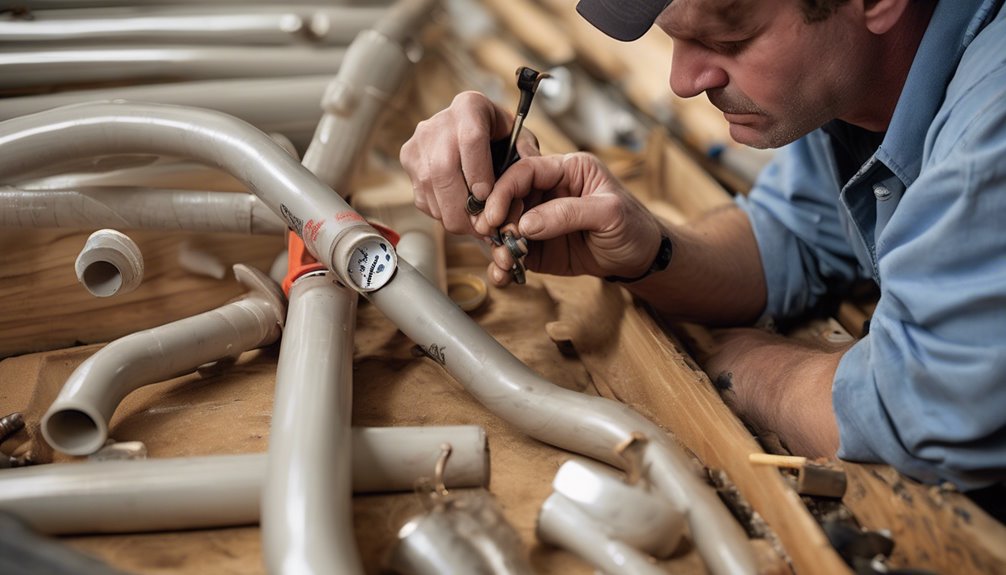
After securing all pipes and fixtures, it’s time to confirm your plumbing system operates correctly. Begin by conducting pressure testing on your supply lines to verify there are no leaks. Use a pressure gauge to monitor the system’s integrity; if the pressure drops, you may need to inspect your connections.
Next, test your drainage systems by filling sinks and tubs with water, then observing if it drains efficiently. A slow drain could indicate blockages or improper slope.
Here’s a quick reference table for testing:
| Test Type | Purpose | Tools Needed |
|---|---|---|
| Pressure Testing | Check for leaks | Pressure gauge |
| Drainage Testing | Validate proper flow | Water and stopwatch |
| Fixture Testing | Verify function | Various fixtures |
| Final Inspection | Overall system check | Visual inspection |
Completing these tests confirms a reliable plumbing system.
Frequently Asked Questions
What Permits Are Needed for Plumbing Rough-In in Citrus County?
When it comes to plumbing rough-in in Citrus County, you’ll need to navigate the red tape. Make certain you obtain the necessary permits, complying with local plumbing regulations, to avoid any costly mistakes down the line.
How Long Does the Plumbing Rough-In Process Typically Take?
The rough-in timeline usually spans one to three days, depending on project efficiency and complexity. Factors like crew size, site conditions, and existing infrastructure can greatly influence how quickly the plumbing rough-in progresses.
Can I Do Plumbing Rough-In Work Myself, or Hire a Professional?
Plumbing rough-in’s like building a foundation; you can tackle DIY plumbing if you’re skilled, but hiring contractors guarantees precision and compliance. Weigh your expertise against potential pitfalls to decide the best route for your project.
What Common Mistakes Should I Avoid During Plumbing Rough-In?
During plumbing rough-in, avoid common pitfalls like improper slope, inadequate venting, and neglecting local codes. Follow best practices, ensuring precise measurements and secure connections, to create a reliable system that meets your needs effectively.
Are There Any Specific Inspections Required During Rough-In?
Think of plumbing rough-in like building a solid foundation. You’ll need various inspection types—like framing and plumbing—to guarantee compliance with rough-in requirements. Don’t skip these steps; they’re essential for lasting stability and safety.
0 Comments