
When planning a bathroom remodel in Citrus County, ascertain you start with a sturdy plumbing rough-in checklist. Assess your bathroom layout for flow and accessibility, and familiarize yourself with local plumbing codes to avoid costly compliance issues. Select fixtures that complement the design whilst promoting efficiency. Plan drainage and venting to improve functionality. Properly position water supply lines, consider hiring licensed experts, and conduct a pre-rough-in inspection to catch potential problems early. You’ll find more detailed guidance ahead.
Key Takeaways
- Measure bathroom dimensions accurately to ensure proper fixture fitting and maintain at least 30 inches of clearance between fixtures.
- Familiarize yourself with local plumbing codes and obtain necessary permits to ensure compliance and avoid fines.
- Create a detailed plumbing blueprint outlining fixture placements and connections for efficient inspections and installations.
- Plan for effective drainage and venting to promote proper wastewater removal and air circulation within the plumbing system.
- Hire licensed contractors for their expertise, warranties, and to identify potential issues during a pre-rough-in inspection.
Assessing Your Bathroom Layout
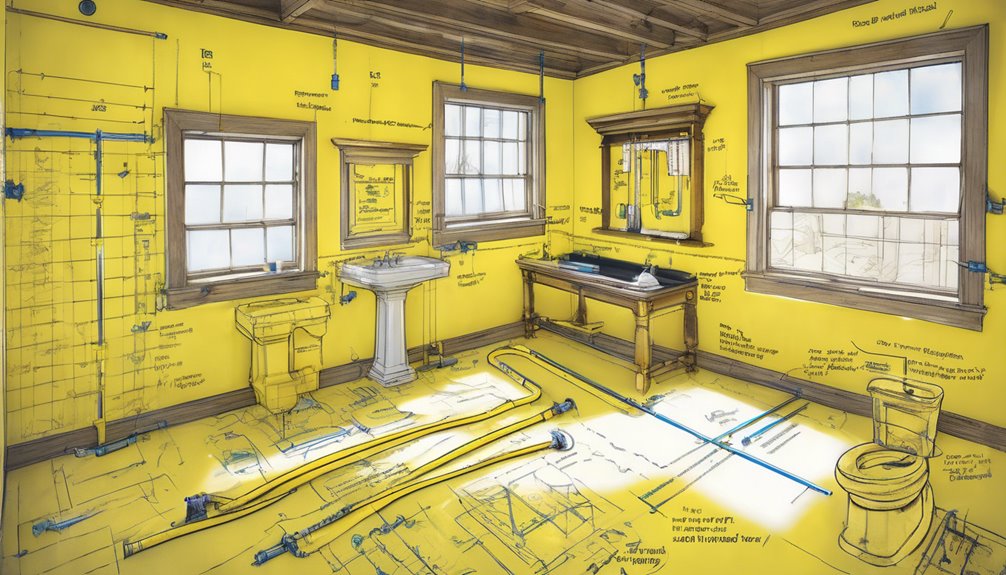
When reviewing your bathroom layout, what key factors should you contemplate to guarantee a functional and efficient design? First, focus on your bathroom dimensions; measuring accurately guarantees that fixtures fit well and leaves room for movement. Next, consider traffic flow—how users will navigate the space. Aim for clear pathways between the sink, toilet, and shower or tub, maintaining at least 30 inches of clearance for comfort. Think about the placement of doors and any potential obstructions, since these can impact accessibility. Prioritize convenience by positioning frequently used items within easy reach. By carefully evaluating these elements, you can create a bathroom layout that not just meets your needs but additionally promotes a sense of belonging and comfort for all who use it. Additionally, ensure that your plumbing rough-in adheres to local building codes to guarantee safety and compliance during your remodel.
Understanding Local Plumbing Codes
Grasping local plumbing codes is essential for guaranteeing your bathroom remodel complies with regulations and functions properly. These codes dictate everything from pipe sizes to fixture placements, guaranteeing safety and efficiency. Before starting your project, check with local regulations to understand specific requirements in Citrus County. You’ll likely need to obtain plumbing permits to guarantee your work meets all standards and passes inspections. Failing to adhere to these codes can lead to costly fines and complications down the line. By familiarizing yourself with local plumbing codes, you’re not just protecting your investment; you’re additionally contributing to the safety and integrity of your home. Remember, compliance is key to a successful bathroom remodel that meets both your needs and community standards.
Selecting the Right Fixtures
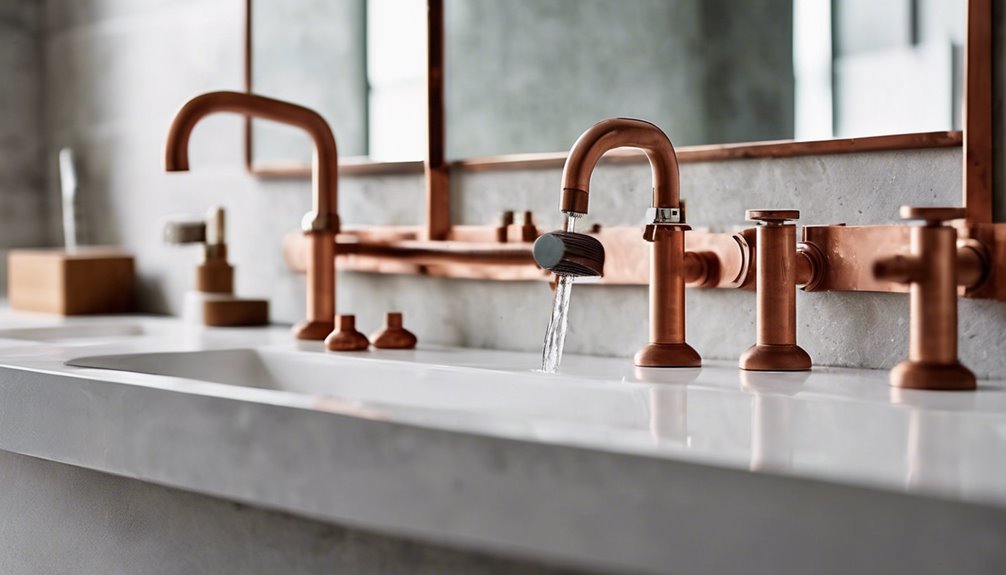
When selecting fixtures for your bathroom remodel, consider both style and functionality. You’ll want to choose options that not just complement your design aesthetic but additionally meet water efficiency standards to reduce consumption. This balance guarantees your remodel is both visually appealing and environmentally responsible.
Fixture Style Considerations
Choosing the right fixtures for your bathroom remodel is crucial, since they not merely influence the space’s aesthetic but furthermore affect its functionality. To align with current fixture trends, consider how various styles—such as modern, traditional, or industrial—can reflect your aesthetic preferences during enhancing usability. For instance, sleek faucets and minimalist sinks may complement a contemporary design, whereas ornate fixtures can add charm to a classic space. Don’t forget about the practical aspects; verify that the size and placement of each fixture facilitate ease of use. By thoughtfully selecting fixtures that resonate with your style and meet your functional needs, you’ll create a cohesive and inviting bathroom that truly feels like home.
Water Efficiency Standards
As water conservation becomes increasingly important, comprehending water efficiency standards is essential when selecting fixtures for your bathroom remodel. Implementing water-saving technology not only reduces your environmental footprint but can additionally lead to significant cost savings over time. Below are three key considerations:
- Low-Flow Toilets: Opt for models that use 1.28 gallons per flush or less to conserve water effectively.
- Aerated Faucets: Choose eco-friendly fixtures that incorporate aerators, which limit water flow without sacrificing performance.
- Water-Saving Showerheads: Look for showerheads that use 2.0 gallons per minute or less, ensuring a revitalizing shower during water conservation.
Planning for Drainage and Venting
Effective planning for drainage and venting is essential to guarantee your bathroom remodel functions properly and meets local building codes. You’ll need to identify appropriate drainage solutions that efficiently remove wastewater from your fixtures. Begin by evaluating the slope of your drain lines to confirm they promote proper flow, preventing clogs and backups. Next, consider venting techniques that allow air circulation within the plumbing system, which helps maintain pressure balance and prevents siphoning. Confirm that your vents extend above the roofline to facilitate proper air exchange. By carefully planning these aspects, you’re not just adhering to regulations; you’re enhancing the overall functionality and longevity of your bathroom’s plumbing system, cultivating a space that feels welcoming and efficient.
Positioning Water Supply Lines
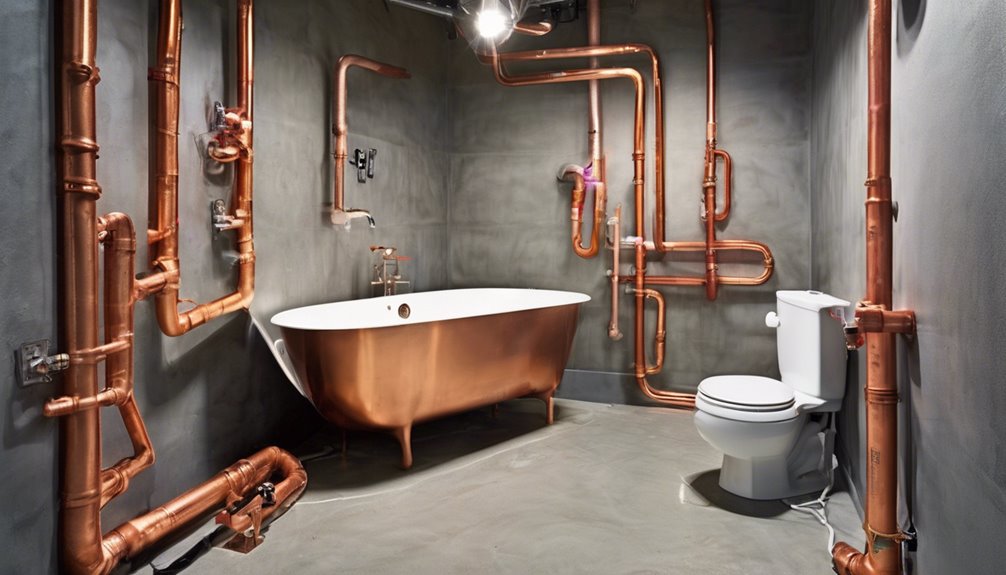
When positioning water supply lines, it’s essential to evaluate both ideal line placement and the appropriate pipe material. You need to guarantee that lines are strategically routed to minimize bends and maintain water pressure. Furthermore, selecting the right materials, like copper or PEX, can greatly impact the durability and efficiency of the plumbing system.
Ideal Line Placement
Positioning water supply lines correctly is vital for a successful bathroom remodel, and there are several key factors to take into account. Implementing ideal line placement strategies guarantees efficient water flow and minimizes future maintenance issues. Here are three significant points to contemplate for optimal line routing:
- Proximity to Fixtures: Place lines close to sinks, toilets, and showers to reduce water loss and pressure drops.
- Vertical and Horizontal Runs: Keep lines as straight as possible to maintain water pressure and avoid potential leaks.
- Avoiding Heat Sources: Steer clear of heat ducts or appliances that could cause pipe degradation over time.
Pipe Material Selection
Selecting the appropriate pipe material for water supply lines is vital, since it directly influences the longevity and performance of your plumbing system. When comparing PVC vs. Copper, consider that PVC is lightweight and resistant to corrosion, making it a cost-effective option. Nevertheless, copper offers superior durability and can withstand higher temperatures.
Another excellent choice is PEX, which boasts several advantages, including flexibility for easier installation and resistance to freezing. It furthermore eliminates the need for joints, reducing potential leak points. In the end, your selection should align with your remodel goals, local building codes, and personal preferences. By carefully evaluating these materials, you can guarantee a reliable and efficient plumbing system for your bathroom remodel.
Preparing for Electrical Requirements
Although you may have a clear vision for your bathroom remodel, verifying the electrical requirements are adequately prepared is crucial to the project’s success. Comprehending the electrical load and circuit requirements is critical. Here’s a quick checklist to guide you:
- Assess Electrical Load: Calculate the total wattage of all fixtures and appliances planned for the space to verify your circuit can handle it.
- Determine Circuit Requirements: Identify dedicated circuits needed for high-demand items like heaters or whirlpool tubs, since they require separate circuits for safety.
- Plan for GFCI Outlets: Install Ground Fault Circuit Interrupter (GFCI) outlets in wet areas to protect against electrical shock.
Hiring Licensed Professionals
When tackling a bathroom remodel, hiring licensed experts can make all the difference in ensuring quality and compliance with local codes. Licensed contractors bring invaluable experience and knowledge to the project, which minimizes the risk of costly mistakes. By choosing skilled plumbing services, you’re investing in a job done right the first time, enhancing the longevity of your remodel.
Licensed contractor benefits include access to the latest tools and techniques, in addition to the ability to navigate complex regulations that might arise. They can likewise provide warranties on their work, giving you peace of mind. Ultimately, working with specialists cultivates a sense of belonging in a community that values quality craftsmanship and safety in home renovations.
Conducting a Pre-Rough-In Inspection
After securing the right licensed experts for your bathroom remodel, the next step is conducting a pre-rough-in inspection. This essential phase guarantees everything aligns with your design and plumbing requirements. Use a pre-inspection checklist to identify potential pitfalls before they escalate into costly problems. Below are three common issues to check for:
- Pipe Alignment: Verify existing pipes are adequately aligned with your new layout.
- Ventilation Needs: Confirm that venting is sufficient for the fixtures being installed.
- Access Points: Make sure there is access to necessary shut-off valves and cleanouts for future maintenance.
Addressing these common issues early on can save you time and stress during the rough-in process, paving the way for a successful remodel.
Finalizing the Rough-In Placement
Finalizing the rough-in placement is a crucial step that directly impacts the functionality and aesthetics of your bathroom remodel. At this stage, make certain all plumbing lines are accurately positioned according to your design. Carefully measure and make any necessary rough in adjustments to confirm that fixtures like sinks, toilets, and showers align perfectly with your layout. Keep in mind that the final placement of water supply and drainage lines should facilitate both efficiency and ease of access for future maintenance. Double-check your measurements and consult your plumbing plan to avoid costly mistakes. Taking the time to verify these placements will guarantee a seamless installation process and eventually improve the overall appeal of your newly remodeled bathroom.
Documenting Your Plumbing Plan
When documenting your plumbing plan, it’s vital to create a thorough blueprint that outlines all fixtures and their connections. You’ll additionally need to guarantee your design complies with local building codes to avoid costly revisions later on. By focusing on these fundamentals, you can streamline the rough-in process and improve the overall efficiency of your bathroom remodel.
Plumbing Blueprint Essentials
Creating a plumbing blueprint is a crucial step in any bathroom remodel, since it serves as the foundation for an efficient and functional layout. By adhering to plumbing design principles, you can achieve ideal layout optimization that meets both your style and practical needs. Below are three key elements to include in your blueprint:
- Fixture Placement: Guarantee proper distances between sinks, toilets, and showers for accessibility and comfort.
- Pipe Routing: Plan your pipe layout to minimize bends and guarantee efficient water flow, avoiding potential clogs.
- Drainage Systems: Incorporate sloped drainage solutions to prevent water pooling and guarantee effective waste removal.
A well-documented plumbing plan not just improves functionality but also cultivates a sense of belonging in your newly remodeled space.
Code Compliance Considerations
Verifying your plumbing blueprint aligns with local building codes is vital for a successful bathroom remodel. You’ll need to familiarize yourself with the specific permit requirements in Citrus County. Each renovation project typically requires permits to guarantee compliance with code enforcement standards, which help maintain safety and structural integrity. Documenting your plumbing plan accurately is significant; detailed schematics should include pipe sizes, materials, and fixture locations. This not solely simplifies inspections but additionally prevents costly delays. Make certain to check for any additional local regulations that may apply. By adhering to these guidelines, you’ll demonstrate a commitment to quality and safety, promoting trust in your project among contractors and inspectors alike.
Frequently Asked Questions
How Long Does a Typical Plumbing Rough-In Take?
Envision a symphony of pipes coming together; a typical plumbing rough-in takes about one to three days. Comprehending plumbing timelines and rough in techniques helps guarantee your project flows smoothly and efficiently, creating a harmonious space.
Can I DIY the Plumbing Rough-In Process?
You can tackle DIY plumbing, but make sure you understand plumbing regulations. Improper installation can lead to costly repairs. Familiarize yourself with local codes and consider consulting an expert if you’re uncertain about any step.
What Tools Are Needed for Plumbing Rough-In?
You might think plumbing rough-in’s overwhelming, but with the right tools—like pipe fittings, wrenches, and a level—you can tackle it. Just make sure you follow local plumbing codes to guarantee a successful and safe installation.
How Much Does Plumbing Rough-In Typically Cost?
Plumbing rough-in costs typically range from $1,000 to $3,000, depending on plumbing materials costs and bathroom fixtures pricing. It’s crucial to budget accordingly to guarantee a successful and efficient remodeling project.
What Are Common Mistakes to Avoid During Rough-In?
When tackling rough-in, avoid common pitfalls like neglecting plumbing codes, miscalculating pipe sizes, or overlooking venting requirements. Double-check your plans, verifying everything aligns with regulations to prevent costly rework and guarantee a successful project.


0 Comments