
Plumbing rough-in is a fundamental part of construction in Citrus County. It establishes the plumbing system’s groundwork, guaranteeing compliance with local codes. You’ll determine the precise locations for water supply and drainage lines, selecting appropriate materials and fittings. This phase includes scheduling inspections to verify adherence to regulations. Proper execution not merely improves safety and efficiency but likewise prevents costly future modifications. Explore further to understand common challenges and best practices that secure a successful rough-in process.
Key Takeaways
- Plumbing rough-in establishes the foundation for the plumbing system, ensuring compliance with Citrus County building codes and enhancing overall project efficiency.
- Proper planning and installation techniques, including pipe selection and layout, are crucial to meet local regulations during the rough-in phase.
- The timeline for rough-in typically spans 4 weeks, including design, installation, and inspection phases, allowing for efficient coordination among construction tasks.
- Challenges such as space constraints and ensuring correct pipe alignment must be addressed to prevent future plumbing issues and complications.
- Final inspections are essential to confirm compliance before covering plumbing work, ensuring safety and quality in the construction process.
Understanding Plumbing Rough-In
Plumbing rough-in is an essential phase in construction that lays the groundwork for a building’s plumbing system. During this stage, you’ll familiarize yourself with fundamental plumbing terminology and the various rough-in techniques used to install pipes and fixtures. Comprehending the precise locations for water supply and drainage lines is critical, as it guarantees proper functionality and compliance with building codes. You’ll mark out the layout based on the architectural plans, paying close attention to pipe sizes and materials. Familiarizing yourself with rough-in techniques will likewise help you anticipate potential issues, such as conflicts with electrical wiring or structural components. Additionally, understanding the importance of professional installation ensures adherence to local building codes and best practices. In the end, mastering this phase is key to achieving a successful plumbing installation that meets both safety standards and your project requirements.
Importance of Plumbing Rough-In in Home Construction
Grasping the significance of plumbing rough-in in home construction is vital for effective infrastructure planning. It guarantees your plumbing system meets all necessary building codes, preventing costly modifications later. Proper rough-in not just improves efficiency but additionally assures compliance and safety in your home.
Essential Infrastructure Planning
Proper infrastructure planning is crucial in home construction, and the plumbing rough-in phase plays a key role in this process. By implementing this phase effectively, you guarantee the installation of critical systems that support infrastructure integrity. A well-executed rough-in not merely optimizes space but also prevents costly future modifications.
| Phase | Key Considerations | Impact on Infrastructure Integrity |
|---|---|---|
| Planning | Layout and Design | Improves functionality |
| Installation | Material Selection | Guarantees durability |
| Testing | Pressure Tests | Verifies performance |
| Adjustments | Fine-Tuning | Boosts efficiency |
| Finalization | Inspections | Confirms compliance |
Compliance With Building Codes
During the process of maneuvering through the intricacies of home construction, adherence to building codes is crucial to guarantee safety and functionality. Compliance with plumbing rough-in standards guarantees that your home’s infrastructure meets safety regulations established by local code enforcement. By following these guidelines, you not just protect your investment but create a safe living environment for your family. Ignoring these regulations can lead to serious issues, including costly repairs and potential hazards. A thorough comprehension of the plumbing rough-in phase is fundamental, since it sets the foundation for future installations and guarantees that all systems work harmoniously. Ultimately, adhering to these codes cultivates a sense of belonging within your community, reinforcing shared values of safety and responsibility.
Key Components of a Plumbing Rough-In
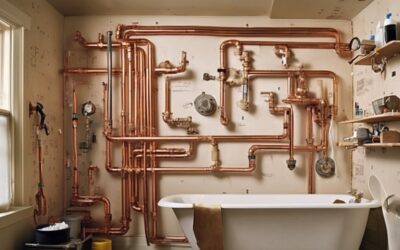
During the planning of a plumbing rough-in, it’s crucial to identify the key components that will support the overall system’s functionality and efficiency. First, establish the layout of drainage systems, ensuring proper slope and access for maintenance. Next, choose appropriate pipe materials, such as PVC or copper, based on your project’s specific requirements. Consider the size and configuration of the pipes to optimize water flow and minimize clogs. Furthermore, include critical elements like venting pipes to maintain pressure balance and prevent sewer gas intrusion. Each component should be carefully placed to comply with local codes, ensuring a reliable and safe plumbing system. By focusing on these key elements, you’ll create a strong foundation for your plumbing project.
Timeline for Plumbing Rough-In in Construction
As you begin on the plumbing rough-in phase of construction, establishing a clear timeline is essential for coordinating tasks and ensuring efficiency. This plumbing timeline helps you visualize the steps involved in different construction phases, allowing for smooth shifts between tasks.
| Phase | Duration | Key Tasks |
|---|---|---|
| Planning | 1 week | Design layout, materials |
| Installation | 2 weeks | Pipe placement, connections |
| Inspection & Testing | 1 week | Verify compliance, functionality |
Local Codes and Regulations for Plumbing Rough-In
When planning your plumbing rough-in, it’s vital to familiarize yourself with Citrus County codes and regulations. These local codes dictate specific requirements that you’ll need to adhere to, ensuring compliance and safety. Furthermore, comprehending the permitting requirements is key for avoiding delays and potential fines during your construction project.
Citrus County Codes
Grasping the Citrus County codes is essential for ensuring compliance during the plumbing rough-in process. Familiarize yourself with the citrus county regulations that govern plumbing installations, since these will guide your work and help avoid costly mistakes. You’ll need to adhere to specified standards for pipe materials, fixture placement, and venting systems. Furthermore, be prepared for plumbing inspections that assess your adherence to these codes. Comprehending the inspection criteria can streamline the process, ensuring that your rough-in meets all local requirements. By staying informed and compliant, you safeguard your investment and contribute to the safety and functionality of the plumbing systems in Citrus County. This knowledge nurtures a sense of belonging within the local construction community.
Permitting Requirements
Before commencing plumbing rough-in, obtaining the necessary permits is vital to comply with local codes and regulations. Steering through the permitting process can seem intimidating, but it’s essential for guaranteeing your project adheres to Citrus County standards. Don’t overlook zoning considerations, since they can impact where and how your plumbing systems are installed.
| Permit Type | Description |
|---|---|
| Plumbing Permit | Required for all plumbing installations. |
| Zoning Permit | Guarantees compliance with local zoning laws. |
| Inspection Approval | Confirms work meets safety and code criteria. |
Common Challenges During Plumbing Rough-In
Plumbing rough-in can present several common challenges that may hinder the overall efficiency of a construction project. Addressing these issues swiftly is essential for a successful outcome. Below are some common challenges you might encounter:
- Pipe Alignment: Ensuring pipes are correctly aligned to avoid future complications.
- Leak Detection: Difficulty in identifying leaks during the rough-in phase can lead to costly repairs later.
- Space Constraints: Maneuvering tight spaces can complicate installation and access for maintenance.
- Code Compliance: Staying updated with local plumbing codes to avoid compliance issues can be a challenge.
Best Practices for Successful Plumbing Rough-In
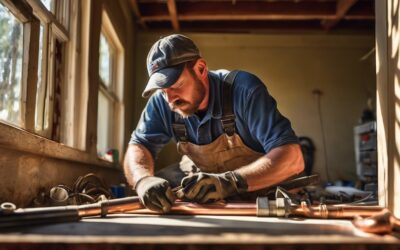
Successful plumbing rough-in relies heavily on careful planning and adherence to established best practices, since these steps can greatly improve the overall efficiency of the installation process. Start by gathering all necessary plumbing tools, ensuring everything from pipe cutters to wrenches is on hand. Next, familiarize yourself with the layout, checking that all measurements align with your plans. Employ proper installation techniques, such as using proper fittings and securing pipes to avoid future leaks. Always mark your lines clearly to prevent confusion during the installation. Finally, maintain open communication with your team, since collaboration can enhance precision and reduce errors. Following these best practices cultivates a sense of belonging within your crew, eventually leading to a successful plumbing rough-in.
Inspections and Approvals for Plumbing Rough-In
Although it may seem like a straightforward process, obtaining inspections and approvals for plumbing rough-in is crucial to confirm compliance with local building codes and regulations. Steering through the inspection process can be challenging, but grasping the approval criteria helps streamline your project. Here are key steps to follow:
- Schedule an inspection with local authorities before covering any plumbing work.
- Verify all materials and installation techniques meet code requirements.
- Prepare necessary documentation, including plans and permits, for review.
- Be ready to address any corrections or adjustments identified during the inspection.
Final Steps After Plumbing Rough-In Completion
Once you’ve secured the necessary inspections and approvals for your plumbing rough-in, it’s time to focus on the final steps that will lead to a successful completion of the project. Begin by scheduling your final inspections, ensuring that all plumbing systems comply with local codes. During this phase, you’ll want to install your plumbing fixtures, including sinks, toilets, and faucets, ensuring they’re properly connected. After installation, conduct a thorough check for leaks and functionality. Once everything passes the final inspections, you’ll receive the green light to move forward. This careful attention to detail not solely guarantees compliance but additionally encourages a sense of pride in your work, knowing you’ve contributed to a well-executed construction project.
Frequently Asked Questions
What Tools Are Necessary for Plumbing Rough-In Installation?
When you plunge into plumbing rough-in, think of the foundation of a sturdy home. You’ll need pipe wrenches, drain fittings, and a level. Each tool’s essential to guarantee everything flows smoothly and connects seamlessly.
Can I Perform Plumbing Rough-In Myself or Hire a Professional?
You can undoubtedly tackle DIY plumbing rough-in if you’re experienced and confident. Nonetheless, hiring expert services guarantees precision and adherence to codes, preventing costly mistakes. Weigh your skills against potential risks before deciding.
How Do I Find a Reliable Plumbing Contractor in Citrus County?
To find a reliable plumbing contractor in Citrus County, check contractor reviews online and verify they’re familiar with local plumbing permits. This’ll help you gauge their expertise and guarantee they meet necessary regulations for your project.
What Is the Average Cost of Plumbing Rough-In Services?
Envision laying the foundation for a home; plumbing rough-in costs typically range from $1,000 to $3,000. Your average pricing depends on various plumbing factors like layout complexity, materials, and local labor rates.
How Can I Prepare My Home for Plumbing Rough-In Work?
To prepare your home for plumbing rough-in work, make certain you’ve obtained necessary plumbing permits, clear the renovation area, and confirm that all plans align with local codes. This’ll help streamline the process and minimize disruptions.

0 Comments