
In Citrus County, you need a permit for plumbing rough-in to comply with local regulations. This guarantees your installation meets safety standards and protects your investment. Permits help avoid fines and potential legal issues, enhancing your home’s value. They apply to residential projects, including new installations and remodels. Failure to obtain a permit can lead to costly corrections. There’s much more to understand about the permitting process and its requirements in your area.
Key Takeaways
- Yes, a permit is required for plumbing rough-ins in Citrus County to ensure compliance with local regulations.
- Residential permits are necessary for new installations, remodels, or repairs in plumbing systems.
- Commercial permits apply to plumbing work conducted in businesses within Citrus County.
- Special permits may be needed for specific projects, such as irrigation or sewer connections.
- It’s essential to verify permit requirements with the Citrus County Building Department before starting any plumbing project.
Understanding Plumbing Rough-Ins
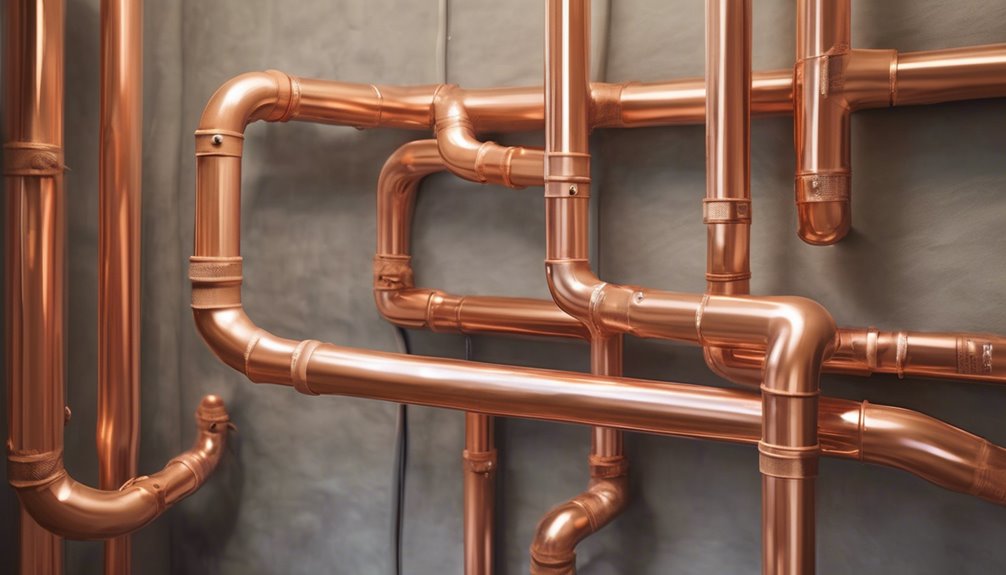
Plumbing rough-ins are the backbone for any construction project involving water supply and drainage systems. Comprehending rough-in basics is vital for ensuring efficiency and compliance. You’ll want to familiarize yourself with various plumbing techniques that facilitate proper pipe placement and fixture alignment. It’s fundamental to plan your layout carefully, accounting for local codes and the specific needs of your project. This involves determining the right materials, choosing appropriate pipe sizes, and strategically positioning your plumbing lines. Each step in the rough-in phase sets the stage for successful installation and long-term functionality. By grasping these fundamentals, you not merely improve your project’s quality but also cultivate a sense of community among skilled experts who share your commitment to excellence. Additionally, understanding plumbing rough-in services can help you navigate the complexities of installation and ensure adherence to local building codes.
Importance of Obtaining a Permit
Securing a permit for plumbing rough-ins is a vital step that shouldn’t be overlooked. Failing to obtain this permit can lead to significant issues down the line. Here are some important permit benefits you should consider:
- Compliance with Regulations: A permit guarantees your work meets local codes, protecting your investment.
- Legal Protection: By obtaining a permit, you minimize the risk of legal implications that could arise from unpermitted work, such as fines or forced removal of installations.
- Increased Home Value: Properly documented work can improve your home’s marketability, giving potential buyers confidence in the integrity of the plumbing system.
In short, obtaining a permit not just safeguards your project but also cultivates trust and belonging within your community.
Local Regulations in Citrus County

Comprehending local regulations in Citrus County is crucial for your plumbing project. You’ll need to familiarize yourself with the plumbing codes, navigate the permit application process, and grasp the inspection requirements to guarantee compliance. Adhering to these guidelines will facilitate a smoother and more efficient plumbing rough-in.
Plumbing Codes Overview
Though you may be familiar with general plumbing practices, local regulations in Citrus County impose specific codes that govern the installation and maintenance of plumbing systems. Comprehending the plumbing regulations overview is vital for compliance and safety. Below are three key aspects to keep in mind:
- Permitting Requirements: Certain installations require permits to guarantee adherence to safety standards.
- Material Specifications: Approved materials should be used, as outlined in local plumbing codes to prevent hazards.
- Inspections and Enforcement: Regular inspections are mandated for compliance, guaranteeing plumbing code enforcement throughout the installation process.
Permit Application Process
When applying for a plumbing rough-in permit in Citrus County, you’ll need to navigate a structured process that assures compliance with local regulations. Start by completing the necessary application forms available through the Citrus County Building Division. Confirm all required documentation, including detailed plumbing plans, is attached to your submission. Once your application is submitted, you’ll be responsible for paying the applicable permit fees, which vary based on the scope of your project. After your application is reviewed and approved, you’ll receive your permit, allowing you to proceed with the rough-in work. Remember, adhering to this process not just keeps your project on track but also nurtures a sense of community responsibility in upholding local standards.
Inspection Requirements Explained
To guarantee compliance with local regulations in Citrus County, you must adhere to specific inspection requirements during your plumbing rough-in project. Comprehending these requirements will help you navigate the process smoothly. Below are key points to take into account:
- Inspection Timelines: Schedule inspections at critical stages, such as before covering walls or floors, to avoid costly delays.
- Inspection Criteria: Confirm your work meets plumbing codes, including proper pipe sizing, venting, and drainage systems.
- Documentation: Keep records of all inspections, since this will facilitate any future permits or renovations.
Types of Plumbing Permits Required

Grasping the types of plumbing permits required is essential for ensuring compliance with local regulations in Citrus County. Typically, you’ll encounter several permit types, including residential and commercial plumbing permits. Residential permits are necessary for new installations, remodels, or repairs in homes, whereas commercial permits apply to businesses. Moreover, special permits may be needed for specific systems like irrigation or sewer connections. Each of these permit types has distinct requirements and fees, which must be understood before starting your project. Familiarizing yourself with these plumbing regulations isn’t just about compliance; it’s about safeguarding your investment and ensuring the safety of your property. Always check with the Citrus County Building Department to verify which permits you need for your plumbing work.
Steps to Apply for a Permit
After determining the specific plumbing permit you need, the next step involves guiding you through the application process. Here’s a steps overview to help streamline your experience:
- Gather Necessary Documents: Collect all required documentation, such as plans, specifications, and identification.
- Complete the Application Form: Fill out the permit application accurately, ensuring all details align with your project specifics.
- Submit and Pay Fees: Turn in your application along with the appropriate fees to the local building department.
For application tips, double-check your submission for any missing information to avoid delays. Following these steps not just helps you stay organized but likewise connects you with the local requirements, nurturing a sense of community compliance.
Common Mistakes to Avoid
During the process of maneuvering through the plumbing permit application, it’s easy to fall into common pitfalls that can delay your project. One frequent mistake is underestimating the complexity of plumbing codes. Make certain you thoroughly research local regulations before starting your application. Furthermore, many DIY enthusiasts overlook the necessity of accurate documentation; incomplete forms can lead to rejections. Another common pitfall involves not consulting experts for advice, which can save you time and resources. Finally, avoid rushing through the process—patience is key. Taking these precautions will help you sidestep DIY mistakes that can jeopardize your plumbing rough-in. Remember, attention to detail now will pay off later, guaranteeing a smoother permitting experience and a successful project.
Inspections and Compliance
When you’re working on your plumbing rough-in in Citrus County, comprehending the inspection requirements is essential to guarantee compliance with local codes. You’ll need to be aware of the specific regulations that govern your project, since failure to meet these standards can lead to significant consequences. Let’s explore what’s involved in the inspection process and the importance of adhering to these compliance measures.
Inspection Requirements Overview
Grasping the inspection requirements for plumbing rough-in in Citrus County is crucial for guaranteeing compliance with local building codes. You’ll need to prepare by following an inspection checklist and be aware of the inspection timeline. Here’s what to expect:
- Pre-Inspection Preparation: Confirm all plumbing is properly installed and accessible for review before scheduling an inspection.
- On-Site Inspection: An inspector will evaluate the plumbing layout, checking for adherence to codes and safety standards.
- Post-Inspection Feedback: You’ll receive a report detailing any corrections needed, along with timelines for compliance.
Compliance With Local Codes
Ensuring compliance with local codes is vital for the success of your plumbing rough-in project in Citrus County, since it not just safeguards the integrity of your work but likewise helps avoid costly delays. Familiarizing yourself with local plumbing regulations is fundamental. These codes dictate specific standards for materials, installation methods, and safety practices. Engaging with code enforcement agencies can provide you with valuable insights and assistance throughout the process. They’ll help guarantee that your project adheres to all necessary guidelines, which can prevent potential issues during inspections. By prioritizing compliance, you’ll promote a sense of belonging within the community, demonstrating your commitment to safety and quality craftsmanship in your plumbing endeavors.
Consequences of Non-Compliance
Neglecting compliance with local plumbing codes can lead to severe consequences during inspections, which may jeopardize your entire plumbing rough-in project in Citrus County. Below are some potential repercussions you might face:
- Legal Repercussions: Failure to comply can result in legal actions, including the potential for lawsuits from disgruntled neighbors or clients.
- Financial Penalties: You could incur hefty fines, which can strain your budget and disrupt your project’s timeline.
- Project Delays: Non-compliance may result in stop-work orders, forcing you to halt progress until issues are resolved.
Understanding these consequences is essential for protecting both your investment and reputation. Adhering to local codes guarantees a smoother process and a successful plumbing rough-in project.
Consequences of Not Having a Permit
If you forgo obtaining a permit for plumbing rough-in in Citrus County, you may face serious legal and financial repercussions. Without the proper permit, your work could be regarded as non-compliant, leading to legal consequences such as fines or even mandatory removal of the work. This can result in significant financial penalties that could far exceed the initial cost of acquiring a permit. Furthermore, if you ever decide to sell your property, unpermitted work may complicate the transaction or reduce its value. Inspections might uncover these violations, further complicating your situation. To protect yourself and guarantee your project meets local codes, it’s crucial to secure the necessary permits before undertaking any plumbing work.
Resources for Homeowners in Citrus County
When tackling plumbing projects in Citrus County, it’s essential to know where to find reliable resources that can guide you through the permitting process and local regulations. Below are some valuable homeowner resources to evaluate:
- Citrus County Building Department: This is your first stop for information on permits and inspections. They provide guidelines customized to local codes.
- Local Trade Associations: Engaging with local plumbing experts can offer insights and support. They often have experience steering through permits and can provide recommendations.
- Online Forums and Community Groups: Joining local homeowner forums can connect you with others who’ve faced similar projects. Sharing experiences can help you find local support and solutions.
Utilizing these resources will empower you as a homeowner in Citrus County.
Frequently Asked Questions
How Long Does It Take to Get a Plumbing Permit in Citrus County?
In Citrus County, you can expect permit processing time for plumbing applications to vary. Typically, the plumbing application timeline ranges from a few days to a couple among weeks, depending on current workload and complexity.
Are There Fees Associated With Plumbing Permits in Citrus County?
Yes, there’re permit costs for plumbing permits in Citrus County. The fee structure varies based on the type and complexity of work. It’s best to check with local authorities for specific rates and requirements.
Can I Do Plumbing Rough-Ins Without a Licensed Contractor?
You can’t legally perform DIY plumbing rough-ins without a licensed contractor because of contractor regulations. Confirming compliance with local laws protects you and guarantees safety, so it’s best to hire an expert for these tasks.
What Documents Are Required for a Plumbing Permit Application?
While you commence the application process, gather required documentation like proof of ownership, project plans, and contractor details. This guarantees your plumbing permit flows smoothly, paving the way for your project’s success.
How Can I Check the Status of My Plumbing Permit?
To check your plumbing permit status, visit your local building department’s website or contact them directly. Confirm you have your permit application details handy, since they’ll help clarify permit requirements and expedite your inquiry.


0 Comments