

The plumbing rough-in process in Citrus County typically takes about 3 to 5 days. Factors like project complexity, site accessibility, and the number of fixtures impact this timeline. Skill level of the crew can as well affect efficiency. It’s crucial to have proper planning and scheduling to guarantee everything runs smoothly, including securing permits and coordinating with other trades. For more insights on optimizing your plumbing rough-in, you’ll find useful tips and best practices ahead.
Key Takeaways
- The plumbing rough-in phase in Citrus County typically takes 3 to 5 days for completion.
- Factors like project size and site accessibility can influence the rough-in duration.
- The number of fixtures and selected plumbing materials impact installation time significantly.
- Regular inspections may cause delays, especially if adjustments are needed based on findings.
- Effective communication and planning can help streamline the rough-in process and minimize delays.
Understanding Plumbing Rough-In
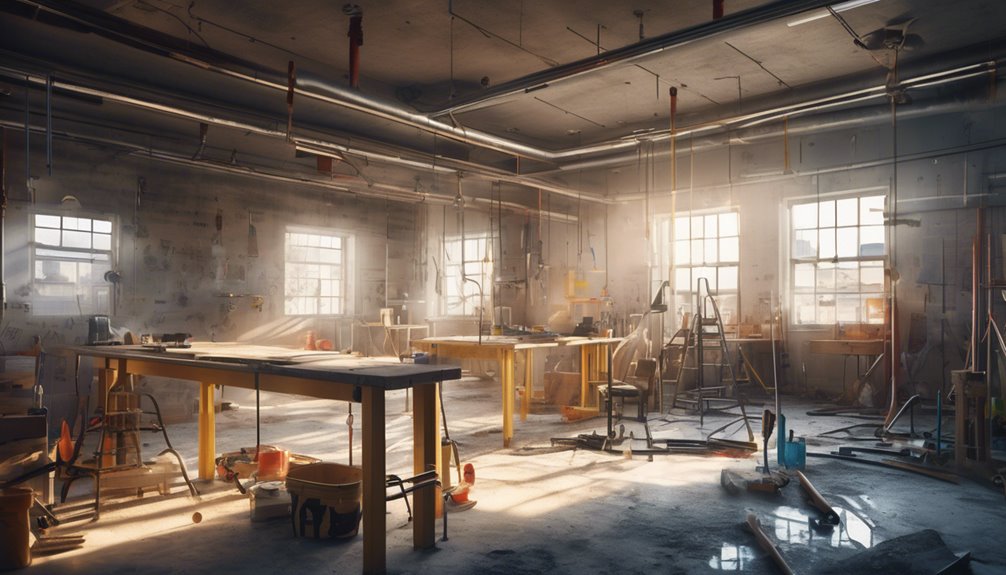
Grasping plumbing rough-in is vital for any construction project. It’s the initial phase where you lay the groundwork for a reliable plumbing system. Familiarizing yourself with plumbing codes is fundamental, as they dictate proper installation and safety standards. When you apply rough-in techniques, you’re ensuring that pipes are positioned correctly for future fixtures, including sinks, toilets, and showers. You’ll need to measure accurately and maintain proper slopes for drainage to prevent future issues. Furthermore, comprehending local plumbing regulations will guide you through the approval process, encouraging collaboration with inspectors. By mastering these elements, you not just improve your skills but also contribute to a cohesive team environment, ultimately leading to a successful project outcome. Additionally, engaging with licensed and insured services will provide you peace of mind throughout the plumbing rough-in process.
Factors Affecting Plumbing Rough-In Duration
When considering plumbing rough-in duration, project size and site accessibility are essential factors. Larger projects often require more complex planning and resource allocation, whereas limited access points can complicate installation and extend timelines. Comprehending these variables helps you anticipate potential delays and manage your schedule effectively.
Project Size Impact
Although the size of a plumbing project greatly influences the rough-in duration, various factors come into play that can either expedite or delay the process. Comprehending these elements will help you better anticipate timelines for your project. Below are some key considerations:
- Rough in techniques: Different methods can affect efficiency.
- Project examples: Larger projects, like commercial buildings, often take longer than residential.
- Design complexity: Detailed layouts require more time for execution.
- Team experience: Skilled crews typically complete rough-ins more quickly.
Site Accessibility Challenges
Site accessibility can greatly impact the duration of plumbing rough-ins, regardless concerning project size. When evaluating site conditions, you’ll want to reflect on the terrain, obstacles, and any existing structures that may obstruct access routes for equipment and labor. If your site has narrow pathways or uneven ground, it can slow down the installation process, making it crucial to plan accordingly. Moreover, tight access routes may require special equipment or extra manpower, further extending timelines. Ensuring clear and efficient access to all areas of the site helps minimize delays and keeps the project on track. Addressing these challenges upfront can lead to a smoother rough-in process and ultimately improve your project’s overall success.
Typical Timeline for Plumbing Rough-In in Citrus County

Although timelines can vary based on project size and complexity, grasping the typical plumbing rough-in timeline for Citrus County can help you plan effectively. On average, you can expect the rough-in phase to take about 3 to 5 days. Here is what usually influences this timeline:
- Selection of plumbing materials: Proper choice can expedite the process.
- Number of fixtures: More fixtures typically require more time for installation.
- Site conditions: Accessibility can affect the pace of work.
- Inspection requirements: Passing inspections is essential; delays may occur if adjustments are needed.
Steps Involved in the Plumbing Rough-In Process
The plumbing rough-in process consists of several critical steps that guarantee efficient installation and compliance with local regulations. First, you’ll need to plan your layout, confirming it adheres to plumbing codes. Next, you’ll install the main supply lines and drain pipes, employing proper installation techniques for a secure fit. Then, fixtures are marked for placement, followed by a pressure test to check for leaks.
| Step | Description |
|---|---|
| Layout Planning | Design according to plumbing codes |
| Pipe Installation | Verify secure and efficient connections |
| Pressure Testing | Validate system integrity |
Importance of Proper Planning and Scheduling

Effective planning and scheduling are fundamental components that can greatly influence the success of the plumbing rough-in process. By implementing effective planning strategies and scheduling techniques, you can streamline operations and minimize delays. Below are some key considerations:
- Assess the project scope and requirements early.
- Create a detailed timeline with milestones to track progress.
- Coordinate with other trades to avoid conflicts and guarantee efficient workflow.
- Regularly review and adjust schedules to accommodate changes.
Common Challenges and Delays
Although careful planning can mitigate many issues, common challenges and delays often arise during the plumbing rough-in process. You might encounter unexpected setbacks, such as unforeseen site conditions or changes in building codes, which can derail your schedule. Furthermore, installation errors, whether because of miscalculations or miscommunication, can lead to costly rework and further delays. It’s essential to maintain open lines of communication with your team and double-check measurements throughout the process to minimize these risks. Being proactive about potential challenges helps encourage a sense of belonging among your crew, since everyone feels invested in the project’s success. By addressing these common issues head-on, you can keep your plumbing rough-in on track and within budget.
Coordinating With Other Trades
While coordinating with other trades may seem straightforward, it’s crucial to confirm that plumbing rough-ins align seamlessly with the work of electricians, carpenters, and HVAC technicians. Effective trade collaboration is fundamental to mitigate potential scheduling conflicts that can delay your project.
To confirm a smooth integration of trades, consider the following:
- Establish clear communication: Regular updates help everyone stay informed.
- Create a shared timeline: Align schedules to avoid overlaps and confirm all trades are on the same page.
- Hold coordination meetings: Discuss progress and address any concerns proactively.
- Document changes: Keep a record of modifications to prevent confusion and maintain accountability.
Tips for a Smooth Plumbing Rough-In
To guarantee a smooth plumbing rough-in, it’s essential to carefully plan each phase of the process. Start by securing all necessary plumbing permits well in advance. This guarantees compliance with local regulations and avoids delays. Next, focus on material selection; choose high-quality pipes and fittings that meet the demands of your project. Consider factors such as durability and compatibility with existing systems. Furthermore, create a detailed timeline that incorporates all trades involved, guaranteeing everyone understands their roles and responsibilities. Regular communication with your team will help address potential issues before they escalate. Finally, double-check your work against the blueprints to confirm accuracy—this can save time and headaches later in the project.
Final Thoughts on Plumbing Rough-In Timelines
During the process of traversing the intricacies of plumbing rough-in timelines, it’s crucial to remain aware of the impact that careful scheduling can have on project success. By focusing on accurate timing estimates and effective project management, you can streamline the entire process. Below are a few key considerations to keep in mind:
- Establish clear milestones to track progress.
- Allocate sufficient time for inspections and adjustments.
- Communicate regularly with your plumbing team to address issues.
- Prepare for potential delays by building in buffer time.
Ultimately, comprehending these factors will not just improve your project’s efficiency but will also cultivate a sense of belonging among all stakeholders involved, ensuring everyone is aligned toward a common goal.
Frequently Asked Questions
What Permits Are Needed for Plumbing Rough-In in Citrus County?
You’ll need to submit a permit application for plumbing rough-in, complying with local plumbing codes. Verify you’ve gathered all necessary documentation, since this process helps maintain safety and standards in your project.
How Can I Find a Qualified Plumber for My Project?
Did you know 90% of homeowners trust online plumber reviews? To find a qualified plumber, ask for local recommendations, check reviews, and verify credentials to guarantee you choose someone reliable for your project.
What Materials Are Typically Used During Plumbing Rough-In?
During plumbing rough-in, you’ll typically use PVC, CPVC, or PEX pipe types, depending on the application. Installation techniques involve precise measurements, proper fittings, and secure connections to guarantee a reliable plumbing system for your project.
Are There Any Seasonal Considerations for Plumbing Rough-In Projects?
As the saying goes, “April showers bring May flowers.” Seasonal trends affect plumbing rough-in; inclement weather impacts scheduling and material performance. You’ll need to plan around weather conditions to guarantee efficiency and project success.
How Can I Avoid Plumbing Issues After the Rough-In Is Complete?
To avoid plumbing issues post-rough-in, focus on preventive maintenance, such as regular inspections. Avoid common mistakes like neglecting proper sealing and not addressing leaks swiftly, ensuring your system remains efficient and reliable for years.

0 Comments