
In Citrus County, plumbing rough-in costs for 2025 typically range from $1,000 to $5,000, influenced by labor rates ranging from $50 to $80 per hour and material choices like PVC, copper, or PEX. Permitting and inspection fees vary, whereas common fixtures like toilets and faucets are priced between $150 to $600 and $50 to $300, respectively. A detailed budgeting plan can help identify crucial expenses versus optional upgrades and account for unexpected costs, among other insights just ahead.
Key Takeaways
- Plumbing rough-in costs in Citrus County typically range from $1,000 to $5,000, influenced by materials and installation complexity.
- Licensed plumbers charge between $50 to $80 per hour, depending on experience and regional demand.
- Material expenses for plumbing can vary widely, with options like PVC, copper, and PEX impacting overall costs.
- Permit and inspection fees differ by municipality, with additional costs for multiple inspections or plan reviews.
- Budgeting should include 10-15% for unexpected expenses, alongside a detailed breakdown of labor, materials, and fixture costs.
Overview of Plumbing Rough-In Costs

When planning a plumbing rough-in, comprehending the associated costs is crucial for budgeting purposes. A plumbing rough-in primarily involves the installation of the basic framework of your plumbing system, including pipes, fittings, and drainage systems. Typically, costs can range between $1,000 to $5,000, depending on the scope and complexity of your project. Factors influencing these costs include material selection, local code requirements, and the overall installation timeline. For instance, opting for high-quality materials may increase initial expenses but can reduce long-term maintenance costs. Moreover, developing a detailed plan can streamline the installation timeline, ensuring your project stays on track and within budget. Grasping these costs helps you make informed decisions and improves your project’s success. Additionally, hiring a professional team ensures adherence to local building codes, which is vital for a successful plumbing installation.
Labor Costs for Plumbing Installation
When evaluating labor costs for plumbing installation, you’ll notice that hourly wage rates can vary considerably based on the plumber’s experience and regional market conditions. Furthermore, the complexity of your project will directly influence the total labor costs, since more elaborate installations require more skilled labor and time. Comprehending these factors will help you budget effectively for your plumbing rough-in.
Hourly Wage Rates
Comprehending hourly wage rates for plumbing installation is essential for budgeting your project effectively. In Citrus County, the average hourly wage for licensed plumbers can vary considerably because of regional differences. Typically, you’ll find rates ranging from $50 to $80 per hour, influenced by factors such as local demand and the plumber’s experience level. It’s important to take into account that these rates might fluctuate based on the complexity of the job and additional certifications held by the plumber. By grasping these wage rates, you can make informed decisions about hiring, ensuring that your project remains within budget whilst still receiving quality workmanship. Keeping these financial aspects in mind can nurture a sense of community and trust in the local plumbing market.
Project Complexity Impact
Comprehending how project intricacy affects labor costs is vital for accurate plumbing installation budgeting. The project scope considerably influences labor expenses; more extensive or elaborate designs typically require specialized skills and more time. Installation challenges, such as maneuvering tight spaces or integrating with existing systems, can increase labor hours and costs. For instance, a simple bathroom upgrade may demand fewer resources compared to a full-scale remodel that involves relocating plumbing lines. It’s important to assess these intricacies early in your planning phase, since they can lead to unforeseen expenses. By grasping these factors, you can create a realistic budget that accommodates potential labor costs, ensuring your plumbing project proceeds smoothly and efficiently.
Material Expenses for Plumbing Rough-In

Material expenses for plumbing rough-in can greatly impact your overall budget, often ranging from hundreds to thousands of dollars depending on the scope of the project. When considering material selection, you’ll want to evaluate options like PVC, copper, and PEX piping, since each has unique benefits and costs. A thorough cost comparison will help you understand which materials fit your budget during meeting building codes and performance standards. Don’t forget to account for additional materials like fittings, fixtures, and insulation, which can likewise influence total expenses. Investing time in researching suppliers can lead to significant savings, ensuring you get quality materials at competitive prices while maintaining the integrity of your plumbing system.
Permitting and Inspection Fees
When you’re planning your plumbing rough-in, comprehending permitting and inspection fees is essential. Permit application costs can vary considerably based on your location and project scope, whereas inspection fees typically depend on the number of inspections required throughout the process. Being aware of these expenses will help you budget effectively and guarantee compliance with local regulations.
Permit Application Costs
Although it may seem like a minor cost in the overall plumbing rough-in budget, permit application fees are vital for ensuring compliance with local regulations. When considering these costs, you should factor in several key elements:
- Base Fee: This is the standard charge for submitting a permit application, which varies by municipality.
- Additional Fees: Depending on the scope of work, there may be extra charges for inspections or plan reviews.
- Renewal Costs: If your permit expires, you might need to pay a renewal fee to continue your project.
Understanding these cost considerations helps you budget accurately and avoid unforeseen expenses. Always check with your local authorities for the most current permit application fees and requirements.
Inspection Fee Breakdown
Grasping the inspection fee breakdown is crucial, since these costs can greatly impact your plumbing rough-in budget. During the inspection process, fees can vary based on factors like project size and complexity. Comprehending these fee variations helps you plan effectively.
| Inspection Type | Average Fee | Notes |
|---|---|---|
| Initial Inspection | $100 | Required for all jobs |
| Re-inspection | $75 | If issues arise |
| Final Inspection | $150 | Guarantees compliance |
| Special Requests | $200+ | For additional checks |
Common Plumbing Fixtures and Their Costs
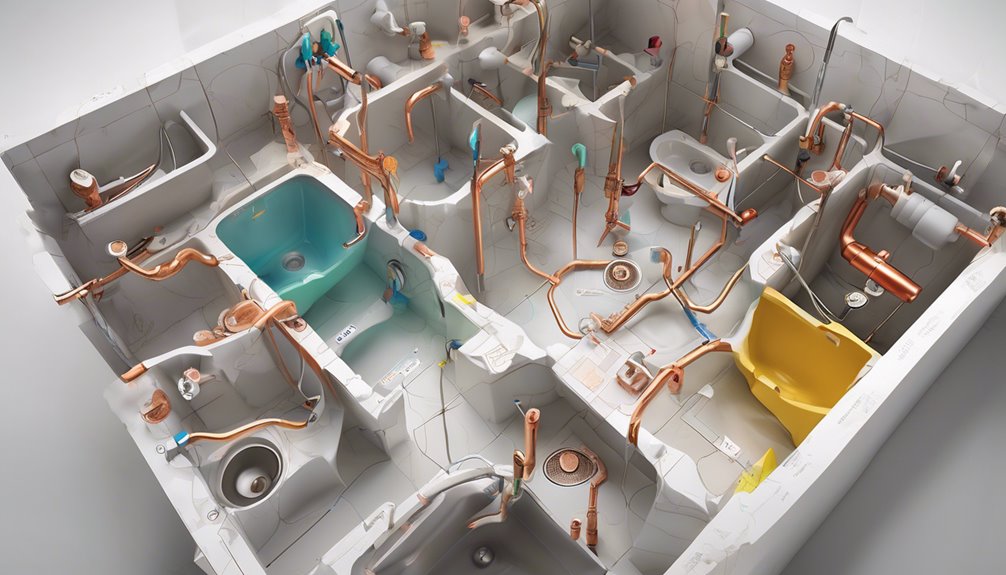
Grasping the costs associated with common plumbing fixtures is essential for budgeting any plumbing rough-in project. Comprehension of the various toilet types and fixture brands available can help you make informed decisions. Here’s a breakdown of typical costs you might encounter:
- Toilets: Ranging from $150 to $600, depending on the style and brand.
- Sinks: Expect to pay between $100 and $500, influenced by material and design.
- Faucets: Pricing varies from $50 to $300, heavily based on brand and functionality.
Additional Factors Affecting Pricing
Even though you may have a clear grasp of fixture costs, several extra factors can greatly impact the overall pricing of a plumbing rough-in project. One critical aspect is the installation techniques utilized by your contractor. Skilled laborers may charge more, but their expertise guarantees compliance with plumbing codes, preventing costly future revisions. Moreover, the complexity of your plumbing layout can influence labor and material expenses. If your project involves multiple levels or elaborate designs, expect higher costs because of increased labor hours and specialized materials. In addition, local regulations and permit fees can play a significant role in the final price. Grasping these factors can help you navigate your plumbing rough-in project more effectively, guaranteeing you get the best value for your investment.
Tips for Budgeting Your Plumbing Rough-In
When planning your plumbing rough-in, careful budgeting is vital to avoid unexpected expenses that can derail your project. To help you stay on track, consider these budgeting strategies and cost-saving tips:
- Get Multiple Quotes: Always seek bids from several contractors. This will give you a clearer picture of fair pricing and help identify potential savings.
- Prioritize Needs Over Wants: Focus on fundamental plumbing features first. Optional upgrades can always be added later, keeping initial costs down.
- Plan for Contingencies: Set aside at least 10-15% of your budget for unexpected expenses. This cushion can prevent financial strain if issues arise.
Frequently Asked Questions
What Is the Typical Duration for a Plumbing Rough-In Project?
For a plumbing rough-in project, you can expect the timeline to vary, typically lasting one to three days. Installation phases involve layout planning, pipe placement, and initial connections, ensuring everything’s ready for final fixtures.
How Do Weather Conditions Impact Plumbing Rough-In Costs?
Weather impact can greatly affect plumbing rough-in costs, leading to cost variations because of delays in scheduling, increased labor, and material expenses. Adverse conditions may require additional resources, eventually raising your project’s overall budget.
Are There Financing Options Available for Plumbing Rough-In Services?
Yes, there’re various financing options available for plumbing rough-in services. Many contractors offer flexible payment plans, allowing you to manage costs effectively during ensuring your project stays on track without financial strain.
Can I DIY My Plumbing Rough-In to Save Costs?
Did you know that 60% of DIY plumbing projects result in complications? Although DIY plumbing can offer cost savings, it often requires technical skills and knowledge to avoid costly mistakes, so weigh your options carefully.
What Happens if the Plumbing Rough-In Fails Inspection?
If your plumbing rough-in fails inspection, you’ll face inspection consequences, including potential rework costs. You’ll need to address deficiencies quickly to guarantee compliance, which could lead to delays and additional expenses in your project timeline.
0 Comments